














30,000+ Reviews Trusted by Canadian smokers nationwide Use: SMOKE15 for 15% off your purchase today Shop now

Best Cigarette Brand Combinations in Canada: How to Mix and Match Multiple Brands in One Order (2026 Guide)

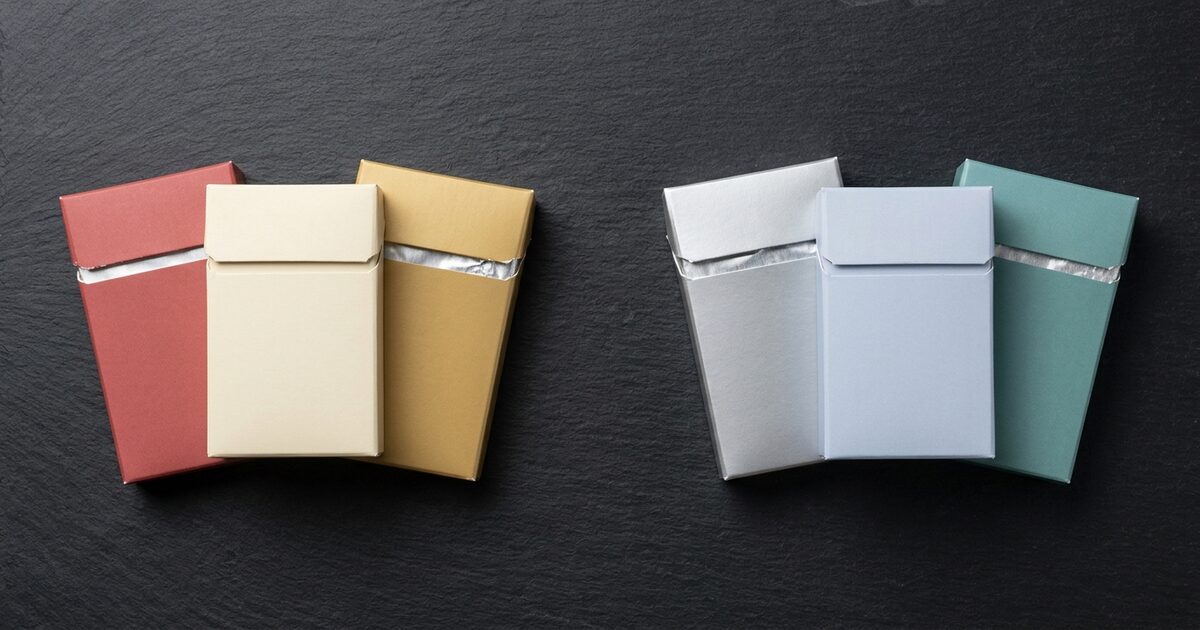
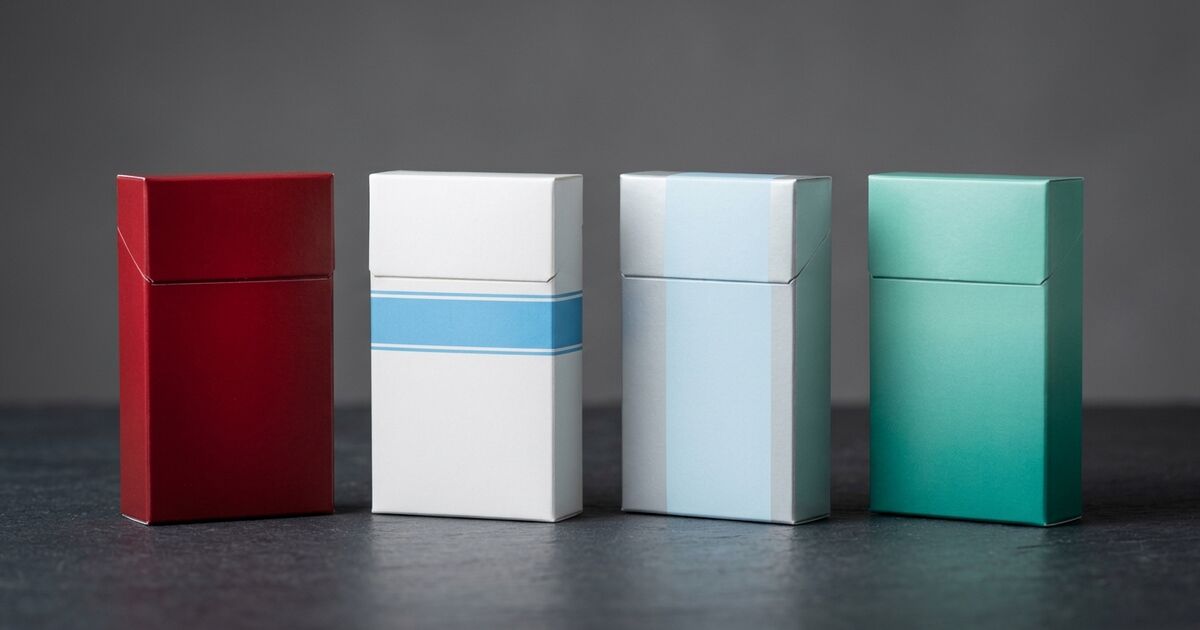
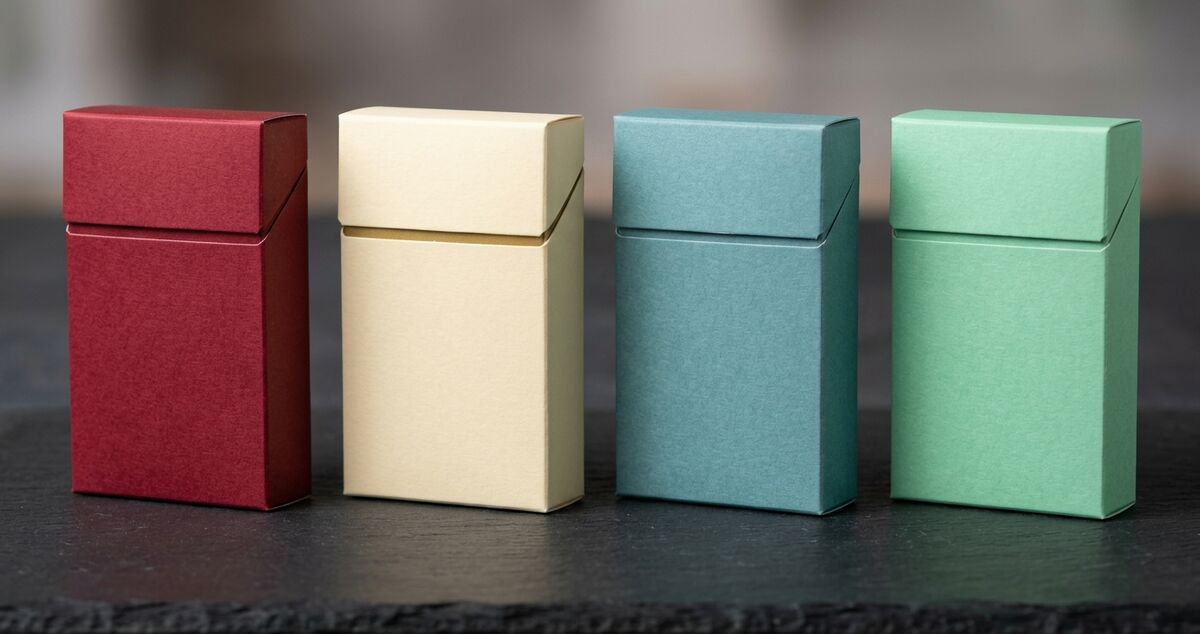
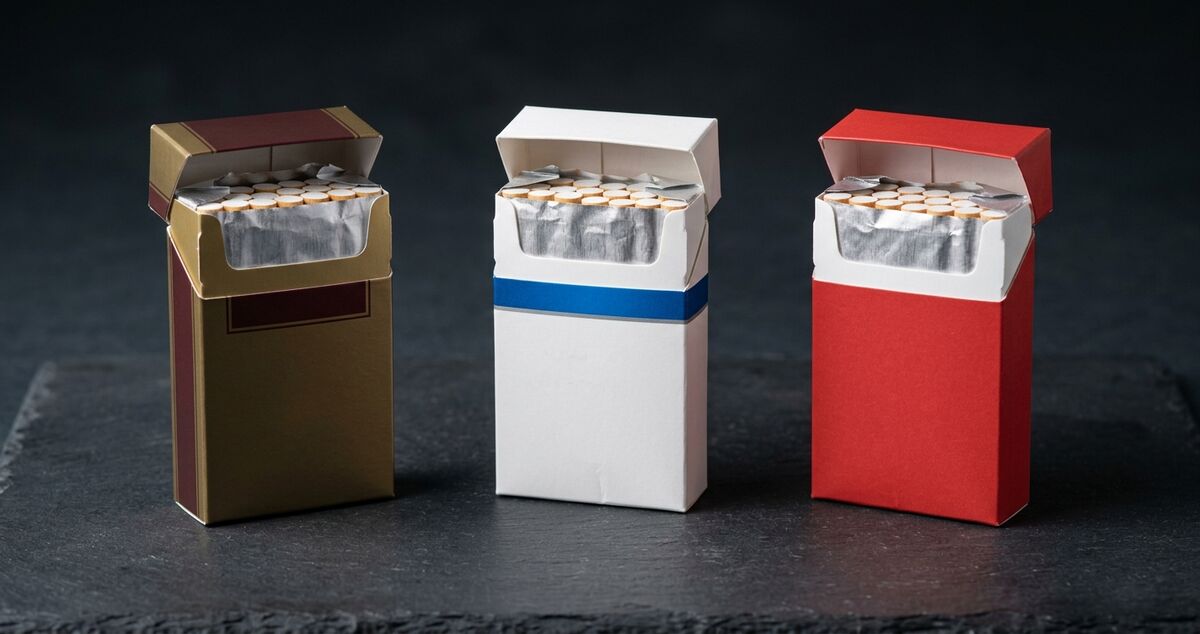
Best Cigarette Brand Combinations in Canada — illustrated with a row of soft paper cigarette packs in red, cream-gold, teal-blue, and mint green, on a dark slate surface.

Most Canadian smokers don’t buy a single brand and stick with it forever. They rotate. A full-flavour pack for the morning, a lights carton for the office, menthol for weekends, and something different when the regular SKU is sold out. The problem is that most online cigarette stores only reward you for buying the same brand in bulk — they make it hard to combine multiple brands in a single order.

This guide is for buyers who want the best cigarette brand combinations Canada has to offer in one cart, one shipment, and one bill. It covers how to read the BCO catalog by strength tier, which brands pair well together, how the free-item spend tiers work, and which multi-brand orders make the most sense for different smoker profiles. If you’ve been buying one brand at a time and paying for shipping on every order, this is the way to stock the whole rotation in a single shipment.

Why Buy Multiple Cigarette Brands in One Order

Single-brand loyalty is a marketing idea, not a smoking reality. Almost every regular smoker has two, three, or four SKUs in rotation. You might keep Canadian Full as your everyday full-flavour, Canadian Lights for the work day, and Canadian Menthol for when you want something cooling. Buying each one as a separate single-carton order means three shipments, three shipping fees, and three chances for a backordered SKU to delay the other two.

Multi-brand orders solve four problems at once:

  • Cut shipping fees. One shipment instead of three or four.
  • Hit the free-item spend tiers. BCO’s spend $80 get a free pack, spend $240 get a free carton, and spend $480 get 2x free cartons promos are calculated on the cart total, not the per-SKU total. The fastest way to clear those thresholds is to combine a full-flavour, a lights, and a menthol in the same order.
  • Try new brands without buying 200 of them. The mystery cigarette pack and mystery cigarette carton SKUs are the only way to sample multiple brands in one purchase at a discount, without committing to a full case of any one label.
  • Cover the rotation. Strength tiers, flavours, and time-of-day variants can all be in the same order so the rotation never runs out.

The catch: you have to plan the order. Random SKUs throw away the savings. Below is the framework for choosing the best cigarette brand combinations Canada buyers can build on BCO.

How BCO’s Catalog Lends Itself to Multi-Brand Orders

BCO stocks 37 cigarette SKUs across 15 brand families and one nicotine-pouch family. The catalog breaks into three structural shapes, and the shape of the brand lineup determines how well it pairs with other brands in a multi-brand order:

  • Four-variant families (Full Flavor / Lights / Ultra Lights / Menthol): Canadian Cigarettes, Canadian Classics, Playfare, and Classics. These are the easiest multi-brand orders — you stay in the same family but cover all four strength tiers with a single trusted blend profile.
  • Three-variant families (Full Flavor / Light / Menthol): BB, Discount, and Rolled Gold. These work well as the budget tier in a mixed order with a higher-end second brand.
  • Two-variant families (Full + Light, or Original vs Smooth): DK’s, Putters, Nexus, dM, and Canadian Premium. These are the “house brand” picks — one signature SKU, one alternate.

Single-SKU brands round out the catalog: Canadian Goose, Time Full, and Time Blue each ship as a single option. These are good “secondary brand” picks when you want to add variety without committing to a four-lineup.

For buyers who want to build a rotation that includes every strength tier and every flavour in one shipment, the cleanest multi-brand order is a four-variant family plus a menthol SKU from a different brand. The cigarettes category page lists every stocked SKU so the rotation can be planned in one pass.

Quick Matching Guide: Strength Tiers Across the Best Cigarette Brand Combinations Canada

Before listing specific combinations, here’s a strength-tier map of the stocked catalog. Every multi-brand order should be planned by which strength tiers you want in the rotation, then picking one brand per tier. Same-tier SKUs from different brands are not interchangeable — blend profiles vary by brand — but they fill the same slot in the rotation.

TIER            BRAND                           STRENGTH
Full Flavor     Canadian Full                   ★★★★
Full Flavor     Playfare Full Flavour           ★★★★
Full Flavor     BB Full Flavor                  ★★★★
Full Flavor     Rolled Gold Full Flavor         ★★★★
Full Flavor     Discount Full Flavor            ★★★½
Full Flavor     Classics Full Flavor            ★★★½
Full Flavor     Nexus Full Flavor               ★★★
Full Flavor     dM Original                     ★★★
Full Flavor     DK's Full                       ★★★
Full Flavor     Putters Full Flavor             ★★★
Full Flavor     Time Full                       ★★★
Full Flavor     Canadian Goose                  ★★★½
Full Flavor     Canadian Premium Original       ★★★★

Lights          Canadian Lights                 ★★½
Lights          Canadian Classics Silver        ★★½
Lights          Playfare Light                  ★★½
Lights          BB Light                        ★★
Lights          Discount Lights                 ★★
Lights          Classics Lights                 ★★
Lights          Rolled Gold Light               ★★
Lights          DK's Light                      ★★
Lights          Nexus Light                     ★★
Lights          Putters Light                   ★★
Lights          dM Smooth                       ★½
Lights          Canadian Premium Special        ★★

Ultra Lights    Canadian Ultra Lights           ★
Ultra Lights    Canadian Classics Ultra Blue    ★
Ultra Lights    Classics Extra Lights           ★
Ultra Lights    Playfare Ultra Light            ★

Menthol         Canadian Menthol                ★★★
Menthol         Canadian Classics Menthol       ★★★
Menthol         Playfare Menthol                ★★★
Menthol         BB Menthol                      ★★★
Menthol         Discount Menthol                ★★★
Menthol         Classics Menthol                ★★★
Menthol         Rolled Gold Menthol             ★★★
Menthol         Time Blue                       ★★½

Use this as a shopping shortcut. Pick one row from each tier. Same-tier rows from different brands substitute for each other in the rotation; different-tier rows supplement each other.

Five Multi-Brand Combinations That Work

These are the five best cigarette brand combinations Canada shoppers can build on BCO. Each one solves a different buyer profile.

1. The Full-Rotation Four-Pack: Canadian + Canadian Classics + Playfare + BB Menthol

Buyer profile: a regular smoker who wants a single shipment to cover full-flavour weekdays, lights weekends, ultra-light social situations, and menthol flavour without buying 800 cigarettes per brand.

Four cartons at once is the cleanest way to land in the spend $240 get a free carton tier. The free carton can be added as a fifth brand — Rolled Gold Menthol or Playfare Menthol both work — to test a brand you don’t currently smoke.

2. The Budget Multi-Brand Order: Discount + Putters + Time Blue

Buyer profile: a price-first shopper who still wants the rotation to be interesting, not just a stack of the same label. This combination stays under the typical bulk-discount price per carton while still giving three different smokes.

Four cartons of budget brands on a single order consistently lands in the $240 free carton tier. Add a carton of dM Original or Nexus Full Flavor as the free pick to step up the rotation with a mid-tier brand without breaking the price target.

3. The Premium + Sample Order: Canadian Premium + Playfare + Mystery Carton

Buyer profile: a smoker who already has a daily-driver brand but wants to try other labels without committing to a 200-cigarette carton of each. This combination mixes a known premium SKU with a known mid-tier SKU and a sampler.

  • One carton of Canadian Premium Original as the signature full-flavour.
  • One carton of Playfare Light as the lights alternate.
  • One mystery carton as a multi-brand sampler — that’s the SKU that delivers a mix of brands in a single carton, so the rest of the rotation is sorted by the time the premium and mid-tier cartons run out.

The mystery carton is the only product in the BCO catalog that gives multi-brand variety in a single purchase without buying full cartons of every brand. For a first-time multi-brand buyer, the mystery carton is the cheapest way to find which secondary brand fits the rotation.

4. The All-Native Rotation: Canadian + Canadian Classics + Canadian Goose + Playfare

Buyer profile: a buyer who prefers the Canadian-native family of brands (the labels that are Canadian-developed and Canadian-stocked rather than international re-brands). This combination stays inside that family and covers four strength tiers in a single order.

Adding a Playfare or Classics Menthol carton pushes the order into the $480 two-free-cartons tier and rounds out the rotation with menthol. The Canadian Cigarette Brands A–Z directory lists every brand in the native family if a wider survey is needed.

5. The Cigarettes + Pouches Crossover Order

Buyer profile: a smoker who also uses nicotine pouches — for travel, the office, restaurants, or anywhere a cigarette is inconvenient. This combination stacks a regular cigarette order with a pouch order on the same shipment.

Adding the pouches to a multi-carton cigarette order usually pushes the cart total over the $240 free carton mark on its own. The cigarettes vs nicotine pouches guide covers the practical differences if the choice between formats is still being weighed.

How to Read BCO’s Free-Item Spend Tiers

The free-item promo products are the engine of every multi-brand order. They are not standalone products — they apply a free item to the cart when the qualifying spend is reached:

The free item is added to the order, not chosen at checkout. The practical implication is that the free SKU is one of the brands already in the rotation — the system picks a fitting product based on stock and rotation, not the buyer’s preference. For most multi-brand orders, the free item functions as a sample of a brand the buyer is not yet smoking. If the free SKU turns out to be a fit, the next order can include that brand as a paid carton.

For the best cigarette brand combinations Canada shoppers can build on BCO, planning the cart total to land in the $240 or $480 tier is the most consistent way to combine a multi-brand rotation with a free additional brand.

Multi-Brand Order by Smoker Profile

The five combinations above can be reshuffled by buyer profile. The strength-tier table earlier is the only piece of the plan that needs to be customised; the brand picks are mostly interchangeable within each tier.

Light-only smoker

Two cartons of Canadian Lights and one carton of Playfare Light cover the lights slot across two blend profiles. Add Canadian Classics Silver as the third light brand. The light cigarettes Canada guide covers every lights SKU in the catalog in more detail.

Menthol-first smoker

Two cartons of Canadian Menthol and one carton each of Rolled Gold Menthol and BB Menthol cover the menthol rotation with three different blend profiles. The menthol cigarettes Canada guide is the full reference if menthol is the dominant slot.

Full-flavour-only smoker who wants variety

Two cartons of Canadian Full and one carton each of DK’s Full and BB Full Flavor cover the full-flavour slot with three brands. The best full-flavour cigarettes Canada guide ranks the strongest draws in the catalog.

Price-first shopper

Two cartons of Discount Full Flavor, one carton of Discount Lights, and one carton of Discount Menthol cover the full rotation on a single brand family. Adding a Putters Full Flavor carton adds a mid-tier alternate without breaking the price target. The discount cigarettes Canada guide goes deeper on the value side of the catalog.

How to Plan the Order Without Overstocking One Brand

The mistake most multi-brand first-timers make is over-ordering the everyday brand. If Canadian Full is the daily driver, the instinct is to buy three cartons of it and one each of three other brands. That over-stocks the workhorse and under-stocks the secondary brands — and a 200-cigarette carton already lasts most smokers two to four months at a normal pace.

For a balanced four-brand rotation where each brand is smoked roughly equally across the week, the working rule is one carton per brand for the first multi-brand order. That delivers about 800 cigarettes across four brands — enough to learn which secondary brands fit and which to drop from the next order.

For a rotation where the workhorse brand dominates (say, 60% of smokes) and the secondary brands split the remaining 40%, the order should be two cartons of the workhorse, one each of two secondary brands, and a free-item tier hit. The bulk buying guide covers the math for the dominant-brand case in more detail.

For the buyer who has not smoked multiple brands before, the mystery pack is the cheapest test. One pack, multiple brands, low commitment. If the mystery pack lands on a brand the buyer likes, that brand can be added to the next multi-brand order as a real carton.

Common Multi-Brand Order Mistakes

Three mistakes show up repeatedly in multi-brand cigarette orders:

  • Buying two brands from the same strength tier without checking the blend profile. Canadian Lights and Playfare Light are both “lights” but use different blend ratios. The two cartons can feel interchangeable, or they can feel completely different — the only way to know is to smoke them side by side, which the multi-brand order is designed to enable.
  • Under-ordering menthol because it’s a “weekend” smoke. One carton of menthol lasts longer than a carton of the daily brand, so the order needs to account for that. The menthol guide notes that menthol smokers typically keep one or two cartons on rotation rather than one or two packs.
  • Forgetting to check the spend tier before adding the free-item SKU. The $80 free pack, $240 free carton, and $480 two-free-cartons promos are not automatic — they have to be in the cart for the discount to apply. Add them to the order at the same time as the other SKUs, not after.

The switching brands guide covers a related buyer journey: a smoker who is moving from one brand to another can use the same multi-brand framework to bridge the transition with overlap cartons instead of an all-at-once switch.

Putting the Order Together: A Walkthrough

The best cigarette brand combinations Canada shoppers can build start with the strength-tier table above. The process for any multi-brand order is the same:

  1. Pick the strength tiers in the rotation. Most smokers want two or three tiers represented (full-flavour plus lights, or full-flavour plus lights plus menthol, or full-flavour plus ultra-lights plus menthol).
  2. Pick one brand per tier. Use the strength-tier table; pick the brand whose blend profile appeals.
  3. Add the free-item SKU that the cart total will hit. The $240 free carton tier is the most common landing point for a four-carton order.
  4. Add a sampler if the rotation is new. The mystery carton is the cleanest way to test a fifth brand without committing to a 200-cigarette SKU.
  5. Place the order as a single shipment. Multi-brand orders ship in one box with no extra shipping fee for the additional brands.

The shop page lists every stocked SKU by brand and by price. The cigarettes category page is the closest equivalent to a single-screen catalog for the multi-brand order.

Final Word on Multi-Brand Buying in Canada

The best cigarette brand combinations Canada smokers can build on BCO are not about chasing novelty. They’re about getting the rotation into a single shipment, hitting the free-item spend tiers, and using the mystery SKUs as a low-cost way to test brands before committing to a full carton. The five combinations above are starting points, not fixed menus — every buyer’s rotation is a little different.

The catalog is wide enough that almost any combination of two to four brands and one or two strength tiers can be assembled on a single order, with the free-item tier applied automatically when the cart clears the threshold. For a single-shipment rotation that covers the workhorse brand, the lighter alternate, and a menthol or sampler, the multi-brand order is the cleanest way to buy in 2026.

For deeper dives on individual brands, the most popular Canadian cigarette brands guide ranks the top sellers and the brand lineups guide maps every variant by lineup size. Both are useful for refining the multi-brand order once the rotation is established.
Cigarette Tobacco Blends Explained: How Virginia, Burley, and Oriental Shape the Flavour of Every Canadian Cigarette (2026 Guide)

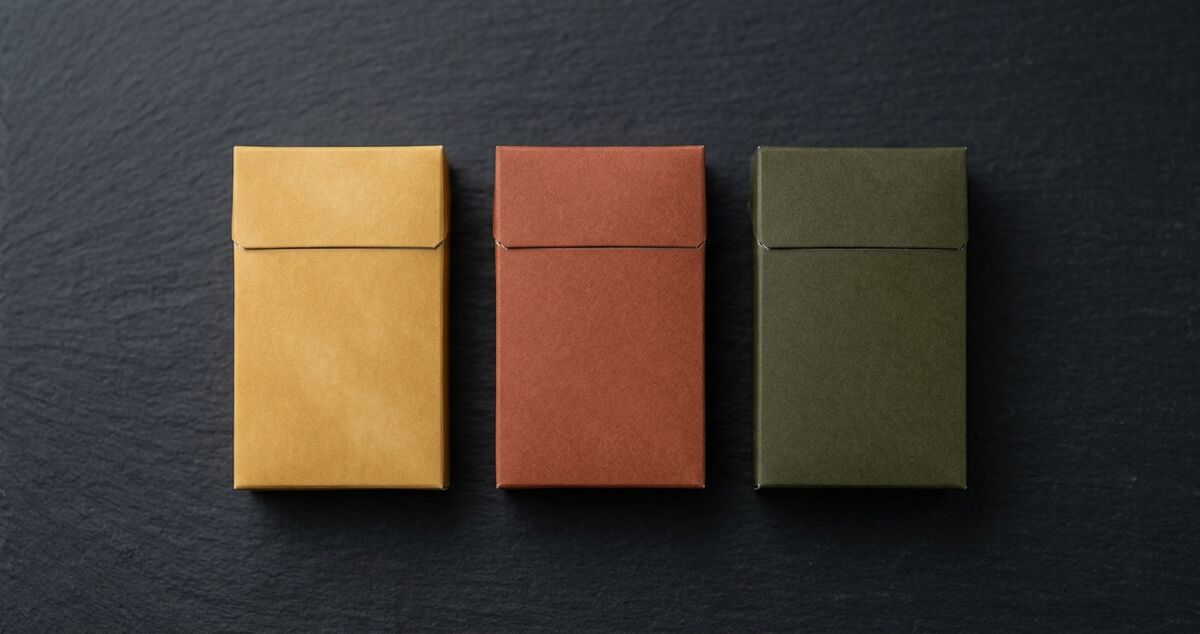
Cigarette tobacco blends Canada: Virginia, Burley, and Oriental leaf represented as three soft paper cigarette packs in different earth tones.

If you’ve ever wondered why a Canadian Full tastes different from a Playfare Ultra Light — even at the same nominal strength tier — the answer usually comes down to the tobacco blend. Two packs labelled “Full Flavor” can smoke very differently because they use different proportions of Virginia, Burley, and Oriental leaf. Once you understand how those three tobacco types shape flavour, body, and aroma, every brand in the cigarettes catalogue becomes easier to navigate. This guide breaks down the three major tobacco families, maps them to the brands stocked on buycigsonline.co, and helps you pick the right blend for the way you like a cigarette to draw.

Why Cigarette Blends Matter More Than Strength Labels

Strength labels (Full Flavor, Light, Ultra Light) tell you how much air dilution a brand uses and roughly how much nicotine and tar the cigarette delivers. They don’t tell you what the smoke actually tastes like. That part comes from the tobacco blend — the recipe of leaf types the manufacturer mixes into the cut rag before the cigarette is rolled. A cigarette made entirely from one leaf type would be one-note: too sweet, too harsh, or too thin. Most modern cigarettes blend two or three leaf families to give the smoke body, aroma, sweetness, and a balanced burn.

Three leaf families dominate the world cigarette market:

  • Virginia — bright, naturally sweet, smooth-burning leaf
  • Burley — earthy, nutty, fuller-bodied leaf that carries strength
  • Oriental — small-leafed, aromatic, slightly spicy leaf grown in the eastern Mediterranean

Every brand in our Canadian Cigarette Brands A–Z Directory is built from some combination of these three. The proportions — and a few minor specialty leaves like Dark-Fired Kentucky or Latakia — are what separate a smooth morning cigarette from a heavy evening one.

Virginia Tobacco: The Sweet, Smooth Backbone

Virginia tobacco is flue-cured — dried in heated barns — which preserves the leaf’s natural sugars. The result is a bright, golden leaf with a noticeably sweet, almost honeyed character when smoked. Virginia-dominant cigarettes tend to:

  • Taste lighter and slightly sweet on the palate
  • Burn evenly with a clean, low-residue ash
  • Carry less body but a smoother mouthfeel
  • Deliver moderate strength with a fresh aroma

If you usually reach for the Playfare Ultra Light, the Canadian Ultra Lights, or any other entry in our Light Cigarettes Canada guide, you’re smoking a Virginia-leaning blend. The leaf’s natural sweetness covers the dilution that lights and ultra-lights apply through filter ventilation, so the cigarette still has flavour even at lower tar deliveries. The trade-off is body — Virginia smokes lighter, not heavier.

Virginia leaf is also the most common base for Canadian-style cigarettes, which is why most of the brand families on this site lean on Virginia for their lights and ultra-lights line. When the strength goes up — into a Full Flavor — manufacturers almost always add Burley to put body and weight back into the smoke.

Burley Tobacco: The Earthy, Full-Bodied Foundation

Burley is air-cured rather than flue-cured, which lets the leaf lose most of its natural sugars during drying. What you get instead is a darker, nuttier, more savoury leaf — earthy and slightly chocolate-edged on the palate, with notably higher nicotine. Burley-dominant blends tend to:

  • Taste fuller and richer with very little sweetness
  • Carry the strongest nicotine punch in a given brand family
  • Burn slowly and produce dense, heavy smoke
  • Take on added flavours and casings well, which is why most “full-flavour” cigarettes in our catalogue blend Burley heavily

If you smoke a Classics Full Flavor, a DK’s Full, a Discount Full Flavor, or a Canadian Goose, you already know what a Burley-forward cigarette does on the draw — those are some of the heaviest smokes in the catalogue. They’ve appeared on multiple “best of” lists including our Best Full-Flavor Cigarettes in Canada guide and our Most Popular Cigarette Brands in Canada list.

Burley’s high nicotine content and low sugar are what make it the body-carrier of the blend. Without Burley, a cigarette can taste sweet but feel thin; without Virginia, a cigarette feels heavy but harsh. Most blends use both — Virginia for aroma and smooth combustion, Burley for body and strength.

Oriental Tobacco: The Aromatic, Spicy Accent

Oriental (also called Turkish) tobacco is small-leafed and sun-cured, traditionally grown in Turkey, Greece, and the Balkans. The sun-curing process gives the leaf a distinctive aromatic, slightly spicy, sometimes floral character that you can usually smell more than taste. Oriental is almost never smoked on its own — it’s used in small percentages (5–20% of the blend) to add:

  • A perfumed, slightly sweet aroma in the smoke
  • A more complex, layered flavour profile
  • A drier, lighter draw on the palate
  • Roundness — Oriental smooths the harsher edges of Burley

If a brand in the catalogue has a noticeably aromatic smoke compared to a similar-strength competitor, the difference is almost always the Oriental share of the blend. American-style “house blends” — the kind you’ll find on a Camel, for example, or many Canadian-brand full-flavours — use Virginia, Burley, and Oriental together, while European and Turkish-dominant styles use mostly Oriental with smaller amounts of Virginia. We covered this in more detail in the Canadian vs Imported Cigarettes guide.

How Canadian Brand Families Map to These Leaf Types

You won’t find an “ingredients” panel on any of our packs, but the published brand profiles — and the way each variant draws compared to the next — line up cleanly with the three-leaf model. Here is a working map of how the major brand families in our cigarettes catalogue tend to blend:

Burley-Forward Full-Flavor Families (Body + Strength)

These are the Burley-leaning full-flavours in the catalogue. Expect an earthy, nutty smoke with a heavier draw and the most body per stick. Most of these brands are featured in our Best Full-Flavor Cigarettes in Canada roundup and again in the Strong vs Smooth strength guide.

Virginia-Dominant Light and Ultra-Light Families (Smooth + Sweet)

These are the Virginia-leaning lights and ultra-lights. Expect a cleaner, sweeter, smoother smoke with much less body than the full-flavours in the same family. They’re the picks that fill out our Light Cigarettes Canada comparison and the Smoothest Cigarettes in Canada guide.

Menthol Lines (Burley + Virginia + Menthol Oil)

Menthol lines use the same underlying tobacco blend as the rest of the brand family and then add a measured amount of menthol (or a menthol/mint compound) to the paper, filter, or cut rag. The base leaf is usually a Burley-and-Virginia mix for body, with menthol layered on top. We map the full menthol lineup in the Menthol Cigarettes in Canada buying guide.

Quick Reference: How Each Leaf Type Reads on the Draw

If you want a one-glance way to read what a blend will feel like before you click through, here’s the leaf-by-leaf cheat sheet:


LEAF TYPE    | COLOUR       | FLAVOUR NOTES                | BODY    | SWEETNESS | STRENGTH
-------------|--------------|------------------------------|---------|-----------|----------
Virginia     | Golden       | Honey, hay, light sweetness  | Light   | High      | Mild-Med
Burley       | Reddish-Brown| Earthy, nutty, slightly dry   | Heavy   | Low       | Strong
Oriental     | Olive-Brown  | Spicy, floral, aromatic      | Medium  | Light     | Mild
Menthol*     | (additive)   | Cool, minty, refreshing      | Varies  | Varies    | Varies

* Menthol is layered on top of a Virginia/Burley base, not a stand-alone leaf.

This is the cheat sheet our Cigarette Strength Levels Explained and Cigarette Variants in Canada posts both reference for how a blend translates into a strength tier.

How to Use Blends to Pick Your Next Pack

Three practical buying patterns fall out of the leaf model:

1. If You Want More Body Without Going Up in Strength Tier

Stay in your current strength label but move to a brand with a higher Burley share. A Light cigarette in a Burley-leaning blend will feel meatier and more “satisfying” than a Light cigarette in a Virginia-leaning blend, even though the tar/nicotine numbers on the side of the pack are similar. The DK’s Light and the Putters Light both smoke with noticeably more body than a typical Virginia-heavy Light because of how the blend is built. You can confirm this by looking at how each variant is described in the brand variant lineup post.

2. If You Want Cleaner, Less Heavy Smoke Without Going Lighter

Move within the same strength tier to a more Virginia-dominant brand. The Canadian Lights and the Canadian Classics Silver are both Lights but they smoke with noticeably different mouthfeels — Canadian Classics Silver tends to read lighter and cleaner on the palate, partly because of how the Virginia leaf is cut and blended for that variant.

3. If You Want a Cooler, More Aromatic Draw

Add a menthol variant or move to a brand that uses a higher Oriental share in its blend. The Time Blue and the Playfare Menthol are both menthol entries but read very differently on the draw because of how much menthol is layered on and how the underlying blend is balanced. The Menthol Cigarettes in Canada guide maps the full lineup side by side.

Why This Matters When You Buy Cigarettes Online in Canada

Online cigarette shopping makes it easy to try multiple brands back to back without driving to a different store for each one. That’s a real advantage for anyone trying to land on the right blend. A practical way to use that advantage:

  • Pick a strength tier you usually buy (for example, Full Flavor)
  • Order two or three different full-flavour SKUs from different brand families — one Virginia-leaning (Canadian Classics Original is a good starting point), one Burley-leaning (Classics Full Flavor), and one with a higher Oriental share
  • Smoke them across a week and let the differences sort themselves out — body, sweetness, aroma
  • Once you know which leaf profile matches your palate, narrow your future orders to brands that lean in that direction

You can compare the price-per-stick angle in our Cheap vs Premium Cigarettes in Canada guide if cost is part of the decision, and you can compare format choices (king size vs 100s vs slim) in the Cigarette Pack Sizes in Canada guide. The cigarettes category page lists every currently stocked SKU, and the main shop page shows you what bundle deals and free-pack promotions are running right now.

Pairing Blends With Occasions

One last way to use the leaf model: pair blends to the time of day or the situation. Many smokers in our customer base order a “day pack” and an “evening pack” for exactly this reason. A common split is:

How to Store Your Blends So the Flavour Stays Consistent

Once you’ve chosen your blends, storage matters more than most buyers realize. Virginia leaf in particular is sensitive to humidity — too dry and the cigarettes lose their sweetness, too humid and they go soft and won’t draw cleanly. Burley is more forgiving but loses aroma when exposed to air. A few practical rules:

  • Keep cartons sealed in their original cellophane until you need them
  • Store at room temperature, away from direct sunlight and any heat source
  • Avoid humid rooms (bathrooms, kitchens) and very dry ones (heated basements in winter)
  • Don’t leave an open pack in a jacket pocket for weeks — once the foil seal is broken, the cut rag starts losing moisture
  • If you order in bulk, rotate the cartons you smoke — first in, first out

The full storage playbook, including how to read the production date on a pack, lives in our How to Store Cigarettes So They Stay Fresh guide. If you’re buying multiple cartons at a time to save on shipping, the bulk-buying savings guide walks through the math.

Where to Go From Here

The whole point of understanding tobacco blends is that it gives you a working theory of why cigarettes taste the way they do — and a way to predict what a new brand will smoke like before you commit to a full carton. Three quick places to put this into practice:

  • Browse the full cigarettes catalogue and sort by strength tier to see how each family lays out its Virginia-leaning and Burley-leaning variants
  • Compare price-per-stick and value across the Burley-forward full-flavours in the Cheap vs Premium guide
  • If you’re moving away from cigarettes entirely, compare the format difference in the Cigarettes vs Nicotine Pouches in Canada guide — pouches use a totally different tobacco processing approach and don’t fit cleanly into the Virginia/Burley/Oriental framework

You can also revisit our Switching Cigarette Brands in Canada guide if you’re transitioning between two brands — the leaf model makes that decision easier because you can predict in advance whether the new brand will feel heavier, lighter, sweeter, or more aromatic than the one you’re used to.

Once you’ve narrowed the leaf profile you prefer, the main shop lets you mix and match across brands in a single order, so you can build a multi-pack sampler at the same shipping cost as a single carton. The current cigarette pack colour guide and strength levels guide both make good quick-reference companions to this blend explainer — and the full A–Z brand directory lists every currently stocked SKU so you can plan the next order without guesswork.

Cheap vs Premium Cigarettes in Canada: How to Compare Every Brand and Pick Your Tier (2026 Guide)

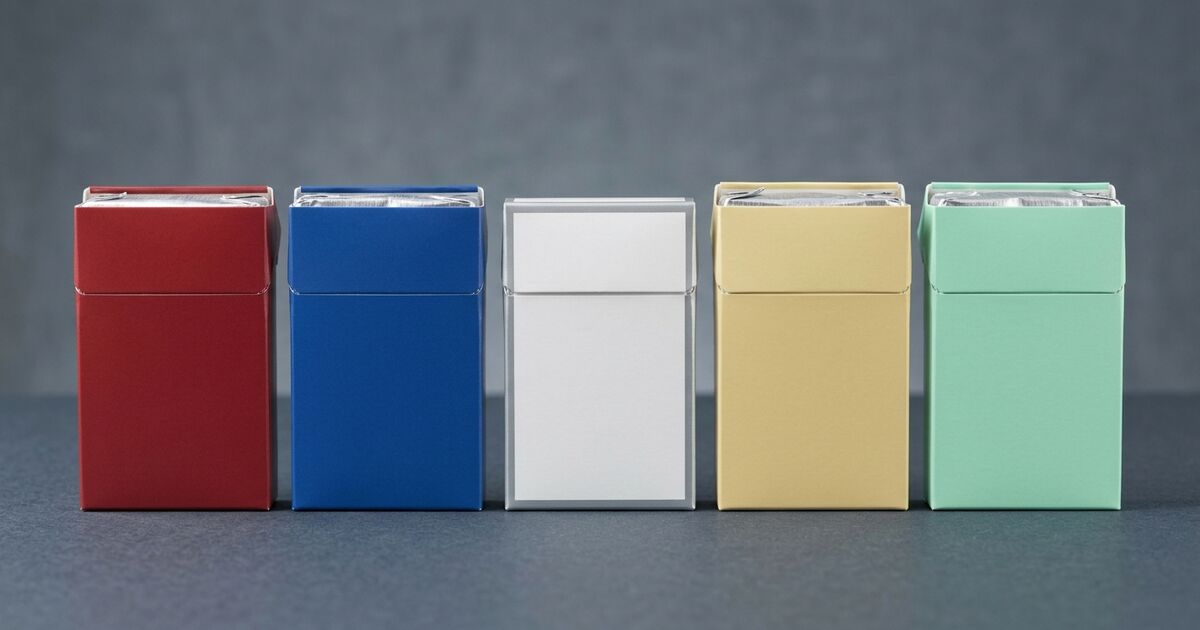
Cheap vs premium cigarettes Canada: three soft paper cigarette packs in a row showing premium, mid-tier, and value tiers

The difference between a cheap pack and a premium pack of cigarettes in Canada is real — but it’s not always the difference you think. A higher price can mean a smoother draw, a more consistent blend, or a softer pack design. It can also just mean a stronger marketing budget, a fancier box, or a name Canadians grew up seeing in corner stores. Knowing what you’re actually paying for helps you decide where you want to land on the price ladder.

This guide walks through every brand and variant currently stocked at buycigsonline.co, grouped by price tier — premium, mid, and value — and shows you how each one actually compares on strength, flavour, and day-to-day reliability. The goal isn’t to crown a winner. It’s to give you a clear framework so the next carton you order through the cigarettes category matches what you actually want to smoke, not just what has the slickest advertising.

What “Premium” Actually Means in Cigarettes

Premium cigarettes in Canada generally share three traits: a more carefully blended tobacco cut, a tighter draw through the filter, and a packaging design that holds the cigarettes at consistent humidity. The flavour tends to be smoother on the throat and the burn rate is more even — meaning each cigarette in the pack draws closer to the next one.

None of that translates into “safer” or “healthier” claims — every cigarette carries the same health risks. Premium is purely about the sensory experience and the consistency. If you’ve ever noticed that a brand you’ve smoked for years suddenly tasted different, that’s usually a blend change, not a strength change — and premium-tier brands tend to make those changes less often.

Premium packaging in Canada also tends to use better foil liners, which helps the tobacco stay fresher longer once the pack is open. If you smoke a pack over several days rather than finishing it in one sitting, that freshness window matters more than the initial draw.

What “Cheap” / “Value” Actually Means in Cigarettes

Value cigarettes aren’t lower-quality cigarettes — they’re lower-cost cigarettes. The difference usually shows up in three places: the tobacco blend is sourced more aggressively (often with broader leaf sourcing), the pack construction is simpler (still sealed, but using thinner cardboard and lighter foil), and the brand spends less on visual branding and advertising.

What you keep with a value pack is the same Canadian tobacco tax structure, the same age verification at the retailer, and (in the case of buycigsonline.co) the same freshness guarantee on incoming stock. What you give up is some of the draw smoothness and the blend consistency from one pack to the next. For many smokers, the trade is more than fair — especially if you’re smoking several packs a week.

The biggest value-tier trap is paying “value” prices for a pack that turns out to be harsh, inconsistent, or stale. That’s why the value tier at BCO is built around brands that have proven themselves to Canadian smokers over years, not single-batch promotions. You’ll find more on that pattern in the existing discount cigarettes Canada guide.

The Premium Tier at BCO

These are the brands at the top of the price ladder. They tend to use more refined blends, hold their freshness longer, and offer smoother draws. Most are full-flavour lines, but a few offer lights and original cuts.

Nexus Cigarettes

Nexus is a two-SKU brand built around a richer, fuller-bodied blend. The Nexus Full Flavor is the workhorse — strong, even-burning, and a favourite for smokers who want a full-bodied draw without going harsh. The Nexus Light is a softer version of the same blend, suited to smokers who want the brand’s character at a milder strength. Read the full Nexus brand spotlight for the side-by-side comparison.

Canadian Premium Cigarettes

Canadian Premium is a refined, traditional-blend brand with two variants. Canadian Premium Original is the classic full-flavour cut — full draw, consistent burn, and a tobacco-forward taste profile. Canadian Premium Special is a milder, smoother take on the same blend for smokers who want the brand’s character at a softer strength. The full Canadian Premium brand spotlight walks through both.

dM Cigarettes

dM is a two-SKU brand with a noticeably smoother draw than most full-flavour lines. dM Original sits in the medium-to-full strength range with a clean tobacco taste and a soft finish. dM Smooth is the lights-tier counterpart — easier on the throat but still carrying the brand’s blend signature. Both are detailed in the dM brand spotlight.

Canadian Goose

Canadian Goose is a single-SKU brand, which means there’s only one variant — the Canadian Goose Full Flavour. That’s a strength cue: this is a full-flavour line, not a light option. It’s a classic full-bodied smoke with a consistent draw and a tobacco-forward profile. The single-variant lineup is intentional; some brands choose to focus on one well-made blend rather than stretch across strengths. The full Canadian Goose brand spotlight explains the choice.

The Mid Tier at BCO

Mid-tier brands sit between premium and value on the price ladder. Most have multi-variant lineups that span full flavor, lights, ultra lights, and menthol. The trade-off is a slightly less refined blend and packaging compared to premium, but a noticeably lower price per pack. This is where most regular smokers land.

Canadian Cigarettes

Canadian Cigarettes is a four-SKU lineup that covers the full strength spectrum: Canadian Full Flavor (the strongest), Canadian Lights (medium), Canadian Ultra Lights (mildest), and Canadian Menthol (full-flavour menthol). The four-variant structure means you can move between strengths without switching brands. The full Canadian Cigarettes brand spotlight walks through each variant.

Canadian Classics Cigarettes

Canadian Classics is a four-variant brand with a more refined mid-tier draw than the standard Canadian line. Canadian Classics Original is the full-flavour cut, Canadian Classics Silver is a smooth lights-tier option, Canadian Classics Ultra Blue sits at the ultra-light end of the spectrum, and Canadian Classics Menthol rounds out the menthol tier. See the full Canadian Classics brand spotlight for the lineup comparison.

BB Cigarettes

BB is a three-SKU brand built around a balanced mid-tier blend. BB Full Flavor is the strongest variant, BB Light is the smoother lights counterpart, and BB Menthol is the menthol variant. The three-variant structure keeps the lineup simple — no ultra-lights — which works well if you want a fuller draw at the brand’s milder end. Full breakdown in the BB brand spotlight.

Rolled Gold Cigarettes

Rolled Gold is another three-SKU brand with a balanced mid-tier profile. Rolled Gold Full Flavor, Rolled Gold Light, and Rolled Gold Menthol cover the standard full / light / menthol progression. The brand leans toward a smoother draw than its price tier suggests, which is why it’s often compared to premium-tier brands. See the Rolled Gold brand spotlight for details.

Playfare Cigarettes

Playfare is a four-SKU brand with one of the broadest variant ranges in the mid tier. Playfare Full Flavour, Playfare Light, Playfare Ultra Light, and Playfare Menthol span full flavor through ultra lights with menthol on top. The four-variant structure is one of the few in the catalog that includes an explicit ultra-light tier. Full breakdown in the Playfare brand spotlight.

Discount Cigarettes

Discount is a Canadian-blend, three-SKU brand that sits at the bridge between mid-tier and value pricing. Discount Full Flavor, Discount Lights Canadian Blend, and Discount Menthol Canadian Blend cover the standard strength progression with a Canadian tobacco blend throughout. The brand is one of the better value picks in the catalog without dropping into the lowest price tier. Full breakdown in the Discount brand spotlight.

The Value Tier at BCO

Value-tier brands focus on getting a Canadian tobacco blend into your hand at the lowest possible price per pack. The trade-offs are simpler packaging and a slightly less refined draw, but the savings are real — particularly when you’re buying by the carton. This tier is where the discount guide goes deepest on the rationale.

Putters Cigarettes

Putters is a two-SKU value brand. Putters Full Flavor is the full-bodied variant, and Putters Light is the lights counterpart. The two-variant structure keeps the lineup simple and the price low. Full breakdown in the Putters brand spotlight.

DK’s Cigarettes

DK’s is another two-SKU value brand. DK’s Full covers the full-flavour draw, and DK’s Light is the milder variant. DK’s is one of the most affordable full-flavour options in the catalog without dropping tobacco quality. Full breakdown in the DK’s brand spotlight.

Time Cigarettes

Time is a two-SKU value brand with a simple full-flavour / menthol-blue split. Time Full Flavor is the stronger of the two, and Time Blue is a menthol-blue style variant. The brand is one of the lowest-priced options in the catalog and pairs well with the budget brands guide. Full breakdown in the Time brand spotlight.

Classics Cigarettes

Classics is a four-SKU value-tier brand — unusual at this price point, where most value brands stick to two or three variants. Classics Full Flavor, Classics Lights, Classics Extra Lights, and Classics Menthol span the full strength spectrum at a value price. The four-variant structure is one of the broadest in the value tier. Full breakdown in the Classics brand spotlight.

When to Spend More, When to Save

The honest answer is that the price tier matters less than the strength and blend you actually want. If you’re a daily smoker who finishes a pack in a day or two, the difference between a premium pack and a value pack is small over a week. If you smoke intermittently or pace yourself, the freshness and consistency of a premium or mid-tier pack matters more.

A useful framework: spend more when you want smoother draw, consistent blend, and longer freshness window — and save when you smoke enough packs per week that the per-pack price compounds. If you’re somewhere in between, mid tier is usually the right landing zone. The existing light cigarettes Canada guide and best full-flavor cigarettes Canada guide help narrow the choice by strength regardless of tier.

Another way to think about it: pick the strength first, then pick the tier. A full-flavour smoker on a budget is going to land on Putters, DK’s, or Discount — not on a premium light. A light-tier smoker who wants a smoother draw can compare BB Light, Rolled Gold Light, Playfare Light, and Discount Lights side by side. The strength levels guide and the strong vs smooth guide are useful for the first step.

Bulk Buys and Promotions That Flatten the Gap

The biggest practical equalizer between premium and value tiers is bulk buying. BCO runs ongoing promotions that apply across the entire catalog — not just to specific brands or tiers — so a premium brand bought by the carton can land within a few dollars of a value brand bought singly. Three promotions to know:

  • Spend $80 — get a free pack: the smallest entry point. Useful if you only want one or two packs to test a new brand before committing to a larger order.
  • Spend $240 — get a free carton: the most common bulk threshold. A free carton at premium pricing closes most of the gap to mid-tier pricing on the rest of the order.
  • Spend $480 — get 2x free cartons: the largest bulk tier. Doubles down on the same logic: the more you commit, the smaller the effective price gap between premium and value becomes.

There’s also the mystery cigarette pack and the mystery cigarette carton for smokers who want to sample across brands at a discount — useful if you’re trying to land on the right tier and don’t want to commit to a single brand upfront. The bulk-buy savings guide walks through the math in more detail.

How to Choose a Tier That Fits You

A short decision framework for choosing where to land:

  • You smoke daily and finish a pack in 1–2 days: value tier (Putters, DK’s, Time, Classics) saves the most over a month without a meaningful day-to-day difference.
  • You smoke daily but pace a pack over 3–5 days: mid tier (Canadian, Canadian Classics, BB, Playfare, Rolled Gold) — the freshness window and consistency justify the price bump.
  • You smoke socially or a few times a week: premium tier (Nexus, Canadian Premium, dM, Canadian Goose) — the smoother draw and tighter packaging show up most when the pack sits around between smokes.
  • You switch between strengths regularly: mid-tier four-variant brands (Canadian, Canadian Classics, Playfare, Classics) cover the most variants within a single brand identity.
  • You’re trying to drop spending without changing the draw: start with the Discount Full Flavor or DK’s Full at full flavour, or Rolled Gold Light at lights, and step up only if the draw feels too rough.

Another option at the cross-category end: nicotine pouches like ZYN Peach Bellini Slim 9mg, ZYN Spearmint Slim, and ZYN Watermelon Slim sit at a different price point entirely and can take the place of some daily smokes for buyers who want to reduce their cigarette spend without giving up nicotine. The ZYN pouches guide and the cigarettes vs pouches comparison walk through the trade-offs.

Shop the Catalog

Every brand and variant mentioned above is in stock at buycigsonline.co under the cigarettes category. The most popular cigarette brands in Canada guide and the A-Z brand directory help narrow further if you want a quick second opinion. Once you’ve picked a tier, the carton-buying guide explains how to stack the bulk promotions for the best effective price.

Cigarettes vs Nicotine Pouches in Canada: Which One Is Right for You (2026 Guide)

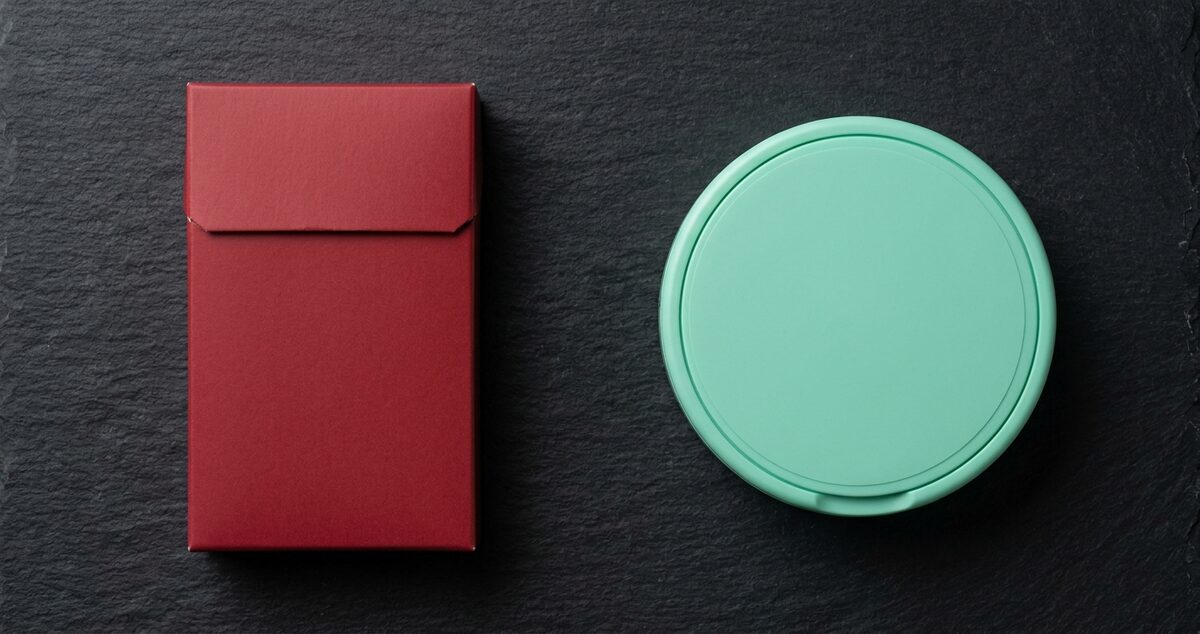
Cigarettes vs nicotine pouches in Canada: a soft paper cigarette pack next to a nicotine pouch tin on a dark slate background.

Two formats sit side by side on the Buy Cigs Online shop page: traditional tobacco cigarettes and tobacco-free nicotine pouches. Many Canadian buyers shop both, and the comparison question comes up often — which format is right for you, what’s actually different about the experience, and where does each one fit in a routine? This guide compares cigarettes vs nicotine pouches in Canada using what BCO actually stocks, so you can shop the catalog with a clearer picture.

Two products, two routines

Both products deliver nicotine, but they are designed for very different moments. A cigarette is a single-use, smoke-and-extinguish item that takes about five to seven minutes. A nicotine pouch is a small, spit-free portion that sits under your lip and lasts much longer — typically 30 minutes to an hour, depending on the strength and your routine.

That difference drives almost every practical decision: how you carry them, where you can use them, what your day looks like, and how the price-per-use works out over a week.

What BCO stocks in each category

The cigarettes category carries 41 SKUs across 14 brand families — menthol, full flavor, lights, ultra lights, king size, and slim formats. The nicotine pouches category currently carries three ZYN Slim SKUs in distinct flavour profiles. Both categories ship the same way and use the same checkout, which makes it easy to order either — or both — in one cart.

How the experience compares

The clearest way to compare is to walk through each practical dimension a buyer cares about. None of these points are moral arguments for or against either format — they are factual differences that affect which product fits which buyer.

Use case: when each format makes sense

Cigarettes are a single-session product. You light one, smoke it, and you’re done with that unit. Nicotine pouches are a sustained-release product. You place one under your lip and the nicotine releases gradually over a long window. If your day has natural five-minute breaks — driving, between meetings, after a meal — a cigarette fits those breaks cleanly. If your day has long stretches where you can’t step away or can’t smoke — flights, the office, indoor public spaces — a pouch covers those stretches without interrupting flow.

Many BCO buyers stock both formats: cigarettes for the times they can smoke, and a can of ZYN Peach Bellini Slim 9mg or ZYN Spearmint Slim for the times they can’t.

Where you can use each product

Canadian provincial smoking rules generally restrict where cigarettes can be lit — indoors, near building entrances, on transit property, and in many outdoor public spaces. Pouches don’t burn, don’t produce smoke, and don’t have the same combustion restrictions in most jurisdictions, which is why they’re common in offices, on planes, and in restaurants where smoking isn’t allowed. If your week includes long indoor stretches, pouches are the more flexible product for those hours.

Tobacco vs tobacco-free

Every BCO cigarette product — whether it’s Playfare Full Flavor, Canadian Classics Original, or BB Menthol — is a tobacco-leaf cigarette. ZYN pouches contain no tobacco leaf; the nicotine in a pouch is synthesized and bound to plant fibre. The catalogue describes ZYN as “tobacco-free” and “smoke-free,” which is the literal difference: the nicotine is real, the tobacco plant is not in the product. This is a practical composition fact, not a health claim.

Discretion and smell

Cigarettes produce visible smoke and a lingering tobacco scent on clothing, hair, hands, and breath. Pouches produce neither — the ZYN Watermelon Slim can description calls them “spit-free portions” with “no smoke,” and the Slim format is sized to sit discreetly under the lip without bulging. If discretion matters — shared rides, family homes, indoor workplaces — pouches are the lower-footprint option.

Strength curve

Cigarettes deliver nicotine in a sharp front-loaded curve: a strong hit in the first few minutes, then a steady taper. The strength label on a pack — full flavor, light, ultra light — refers to the cigarette’s tar and nicotine ratings, which correlate loosely with how heavy the draw feels. The Canadian Ultra Lights and Classics Extra Lights sit at the lighter end of that scale; DK’s Full and Putters Full Flavor sit at the heavier end.

Pouches deliver nicotine more gradually — the release builds over the first 10 to 15 minutes and holds steady for the rest of the session. The only BCO SKU that lists a specific strength is ZYN Peach Bellini Slim 9mg, where 9mg refers to the nicotine content per pouch. The other two ZYN SKUs — Spearmint and Watermelon Slim — don’t carry an explicit milligram rating in the catalog copy; if milligram strength matters to you, the Peach Bellini listing is the only one with the number called out.

Format and pack structure

The packaging is fundamentally different and the math works out differently too.

Cigarettes: pack and carton

BCO sells cigarettes by the pack (20 sticks) and by the carton (10 packs, 200 sticks). A carton is the bulk unit that brings the per-stick price down — that math is covered in detail in the cigarettes category page and in the bulk-buying guide on the blog. The single-use format means your consumption is counted in sticks; a pack-a-day buyer goes through one pack every 24 hours, one carton every 10 days.

Pouches: cans and cases

BCO’s ZYN SKUs are sold as single cans. Each can contains 20 pouches, and the catalog describes them as “discreet, spit-free portions per can.” If you use one pouch per session and have two or three sessions a day, a single can lasts roughly a week. There is no carton-equivalent bulk tier for pouches on the current catalog — the listed product is the can.

Price-per-use: a practical calculation

Without quoting exact prices (they shift with promotions and stock), the unit-of-use math is the same shape regardless of brand:

  • A can of 20 ZYN pouches at the listed price of $15.99 works out to roughly $0.80 per pouch if you use one per session.
  • A pack of 20 cigarettes at the typical BCO pack price works out to roughly $0.65 to $0.90 per stick, depending on the brand — Discount Full Flavor sits at the lower end, premium SKUs sit higher.
  • The pouch is a longer session (30-60 minutes vs. 5-7 for a cigarette), so cost-per-hour of nicotine delivery often favours the pouch.
  • The cigarette is a sharper, shorter delivery, so cost-per-session favours the cigarette when you only need a quick hit.

If you’re optimizing for dollars-per-hour, pouches usually win. If you’re optimizing for dollars-per-session and only need a quick delivery, cigarettes usually win. Most regular buyers don’t optimize either way — they pick the format that fits the moment.

Which one to pick based on your week

Instead of a generic recommendation, here are the realistic buyer profiles BCO sees, with the format that fits each one. Pick the profile that sounds closest to your week.

The full-time smoker with a stable routine

If you smoke a pack a day, mostly outdoors, and your day has natural breaks, the cigarettes category is your main category. Bulk ordering a carton at a time is the most economical pattern — that’s covered in the cigarettes catalog with both single-pack and carton options. A can of ZYN Spearmint as a backup for flights or hospital visits is a sensible add-on.

The indoor-or-workplace buyer

If your day is mostly indoors — desk work, retail floor, driving — and smoking breaks aren’t practical, pouches cover more of your day. Start with a single can of ZYN Watermelon Slim or ZYN Peach Bellini Slim 9mg, see how the Slim format sits under your lip, and reorder based on the flavour you reach for.

The mixed buyer

The most common pattern at BCO is a mixed buyer who uses both. Cigarettes for the weekend, the porch, the after-dinner moment. Pouches for the office, the flight, the long meeting. The shop page lets you put both formats in one cart, and the same checkout, same shipping, same age-verification flow covers both. Mixed buyers tend to start with a carton of their usual brand — Time Full Flavor, Rolled Gold Full Flavor, or Canadian Goose are common anchors — and add one or two cans of ZYN as the smoke-free complement.

The flavour-curious buyer

If you haven’t tried pouches before, start with one can of a familiar flavour profile. ZYN Spearmint is the closest to a menthol-adjacent taste and pairs naturally with a menthol smoker’s routine — it sits well alongside Rolled Gold Menthol, Discount Menthol, or Classics Menthol. ZYN Watermelon is the fruit profile for buyers who already like flavoured nicotine products. ZYN Peach Bellini Slim 9mg is the strongest of the three and the only one with the 9mg rating in the name.

Brand cross-reference: cigarettes worth pairing with pouches

If you go the mixed route, here are the cigarette SKUs that BCO buyers most often pair with a ZYN can — these are the consistent best-sellers across the brand spotlights on the blog. The full brand list is on the cigarettes category, but these are the anchor picks.

How to order both in one transaction

BCO is set up so the two formats live in the same cart. The flow is the same regardless of which product you’re adding:

  1. Pick your format from the shop page, the cigarettes category, or the nicotine pouches category.
  2. For cigarettes, choose pack or carton (the carton is the bulk unit and is usually the cheaper per-stick option).
  3. For pouches, pick the can count you want — one can is the typical starter order, with a second can in a different flavour as a follow-up.
  4. Add both to the same cart, complete the age-verification checkout once, and they ship together.

If you’re new to ordering from BCO, the first-time buyer flow is covered step-by-step in the buying guide on the blog. The age verification, the shipping terms, and the payment options are identical for cigarettes and pouches — there’s no separate sign-up or extra verification for one format versus the other.

Quick matching guide

Here’s a one-line decision rule for each situation. Match your week to the row.

Format              Best when                                       Where to start
Cigarettes          You want a single sharp 5-minute session         Buy a carton of your usual brand
Pouches             You want 30-60 minutes of discreet, smoke-free   Buy one can of ZYN Slim
Mixed               Your day mixes indoor and outdoor hours          Carton + 1 can in one order

Frequently asked questions

Are ZYN pouches the same strength as a cigarette?

Different delivery curve, different rating system. Cigarettes are rated by tar and nicotine yield per stick; pouches are rated by milligrams of nicotine per portion. The ZYN Peach Bellini Slim 9mg listing calls out 9mg per pouch — that’s a strong pouch. The Spearmint and Watermelon SKUs don’t carry an explicit milligram rating in the catalog copy; if milligram strength is the deciding factor, the Peach Bellini is the one with the number on the tin.

Do nicotine pouches stain or leave a smell?

The ZYN catalog copy describes them as “spit-free,” “smoke-free,” and “discreet” — no smoke, no tobacco-leaf smell, no spitting. The Slim format is sized to sit under the lip without a visible bulge. They don’t produce the lingering tobacco scent that a cigarette leaves on clothing or breath.

Can I order cigarettes and pouches in the same order?

Yes — both categories use the same checkout. Add a carton from the cigarettes category and a can from the nicotine pouches category, complete the age verification once, and they ship together.

Are pouches a substitute for cigarettes?

Buyers use them in different ways. Some use pouches as a substitute during hours when smoking isn’t possible; some use them as a complement for indoor stretches while keeping cigarettes for outdoor breaks; some use them as their main format and don’t smoke at all. All three patterns are common — pick the one that fits your week.

The short version

Cigarettes are a short, sharp, single-use tobacco product you light and smoke. Nicotine pouches are a long-lasting, tobacco-free, smoke-free portion you tuck under your lip. Both are stocked on BCO — 41 cigarette SKUs across 14 brand families and three ZYN Slim flavours. The cigarettes category and the nicotine pouches category both feed into the same shop page, so the format you pick — or the mix of both — is one cart, one checkout, one shipment.

Winter Cigarettes in Canada: A Practical Cold-Weather Buyer Guide (2026)

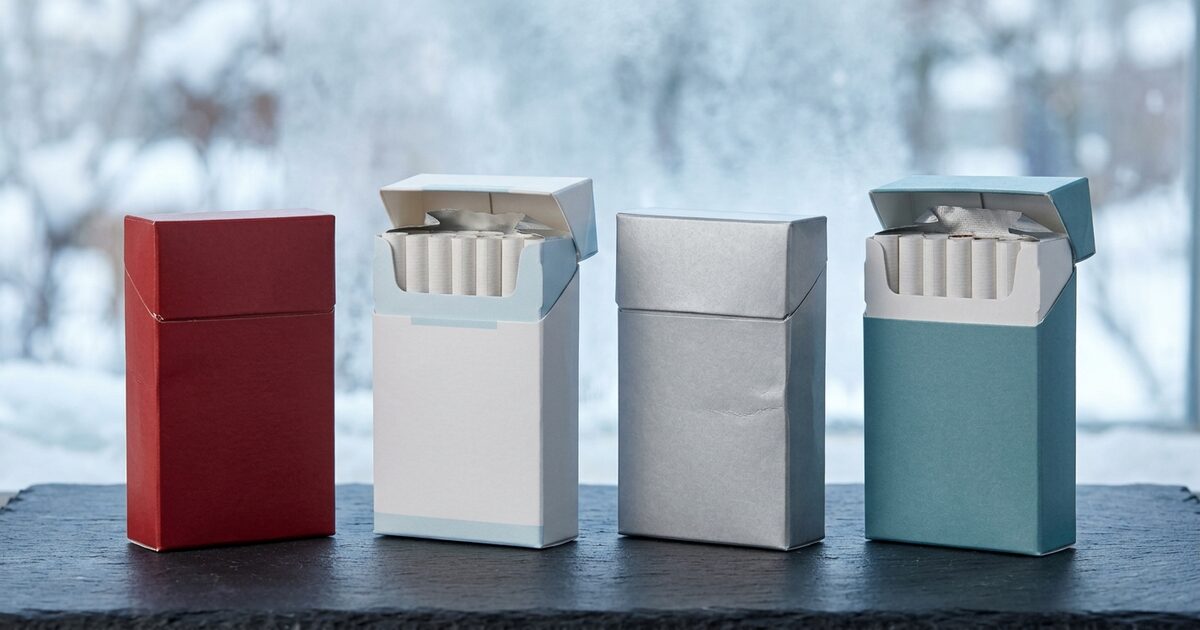
Winter cigarettes in Canada arranged as a cool-weather lineup of blank paper cigarette packs.

Winter cigarettes in Canada are not a separate product category. The useful way to shop for the colder months is to match the written variant name to your usual preference, then plan how you will store and use the packs when temperatures move between indoors and outdoors. This guide maps the current Buy Cigarettes Online catalog into practical winter choices without treating pack colour as a universal code.

If you already know the type you want, start with the cigarette category or browse the complete BCO shop. If you are comparing variants, use the exact product name and brand family as the deciding reference. The season is a planning factor; it does not change what a product is.

What makes winter cigarette shopping different?

Cold weather changes the buying routine more than it changes the product choice. A pack may travel from a warm room to a cold vehicle, job site, porch, or outdoor pocket and then back inside. Repeated temperature changes can make paper packaging feel stiff or damp, and condensation can become a problem when a cold pack is opened immediately in a warm room. A simple storage routine prevents most of the avoidable inconvenience.

Winter is also a good time to be precise about the variant label. The BCO catalog includes Full Flavor, Full, Original, Light, Lights, Ultra Light, Smooth, Special, Blue, and Menthol names. Those words belong to specific brand lineups. They should not be treated as interchangeable descriptions just because two packs look similar. The cigarette variants and brand lineups guide is useful when you want to see how the naming structure works across the catalog.

Quick matching guide for winter cigarettes in Canada

Winter shopping goal       Start with these written labels       Catalog examples
-------------------------  ------------------------------------  -----------------------------
A fuller, direct lineup    Full Flavor, Full, Original           Canadian Full, BB Full Flavor
A lighter labeled option   Light, Lights, Ultra Light             Canadian Lights, Playfare Light
A cooling option            Menthol, Menthol Blue                  BB Menthol, Time Blue
Compare one brand family   Same brand, then compare variants      Playfare or Canadian Classics
Protect the purchase       Stable indoor storage after delivery   Keep packs dry and sealed
Choose quantity             Pack for testing; carton for planning   Use the carton and bulk guides

This table is a starting point, not a claim that every product with the same word is identical. The product page and the full written name remain authoritative. For a broader explanation of strength labels, see the cigarette strength guide for Canada.

Start with the variant name, not the weather

Full Flavor, Full, and Original options

Shoppers who normally choose a fuller labeled cigarette can stay with that naming convention through the winter. The catalog includes Canadian Full Cigarettes, Canadian Classics Original, and Playfare Full Flavor. Those pages make the product names clear, which is more useful than trying to identify a cigarette from a colour cue alone.

Other full-labeled options include Rolled Gold Full Flavor, BB Full Flavor, Discount Full Flavor, and DK’s Full Cigarettes. Canadian Goose Cigarettes is another single-SKU option with a full-flavour name in the current catalog. If you are replacing a familiar product, compare the written label first and use the brand page as the second check.

Light, Lights, and Ultra Light options

Winter does not require a change to a lighter or longer lineup. If you normally shop by these labels, the catalog gives you several families to compare. Start with Canadian Lights or Canadian Ultra Lights. Within Canadian Classics, compare Canadian Classics Silver and Canadian Classics Ultra Blue by their actual names.

Playfare has both Playfare Light and Playfare Ultra Light. The current lighter choices also include Rolled Gold Light, BB Light, Discount Lights Canadian Blend, and DK’s Light Cigarettes. Product names such as Light, Lights, and Ultra Light are not interchangeable. Choose the exact tier you already prefer, then compare brands within that tier.

Menthol and cooling-labelled options

If menthol is part of your normal lineup, winter is a reason to plan ahead, not a reason to guess from the package. The BCO catalog includes Canadian Menthol, Canadian Classics Menthol, and Playfare Menthol. Other choices include Rolled Gold Menthol, BB Menthol, and Discount Menthol Canadian Blend.

Time Blue belongs in a separate comparison because the name is Blue rather than simply Menthol. Read the product title instead of assuming that every blue-looking pack has the same contents. The cigarette pack colours guide explains why visual cues can help with browsing but should not replace the written variant name.

Build a winter lineup by brand family

A brand-family comparison is easier to use than a random list of individual products. First decide whether you want a fuller, lighter, or menthol-labelled option. Then look for a family with two, three, or four stocked variants. This keeps the comparison inside a consistent naming system and makes reordering simpler later.

Four-variant families

The Canadian lineup gives you Full, Lights, Ultra Lights, and Menthol. Canadian Classics offers four named choices as well: Original, Silver, Ultra Blue, and Menthol. These are useful families if you want to keep the brand constant while changing only the written variant.

Playfare also has a complete four-variant comparison: Full Flavor, Light, Ultra Light, and Menthol. The four names are easy to scan when you are preparing a mixed order for different preferences in the same household or workplace. Use the exact product page for each variant rather than treating the family as one interchangeable item.

Three-variant families

Three-variant lines can be a practical middle ground. The current Rolled Gold choices are Full Flavor, Light, and Menthol. BB follows the same three-part structure with Full Flavor, Light, and Menthol. Discount has Full Flavor, Lights Canadian Blend, and Menthol Canadian Blend.

Two-variant and single-SKU options

If you prefer a short decision, compare the two Time products: Time Full and Time Blue. Canadian Premium offers Original and Special. Putters has Full Flavor and Light, while Nexus has Full Flavor and Light.

There are also two-option dM choices: dM Original and dM Smooth. The Classics lineup adds Full Flavor, Lights, Extra Lights, and Menthol. These shorter and longer lineups are useful when you want to compare a new option without browsing the entire catalog.

How to store cigarettes through a Canadian winter

The most useful winter storage rule is consistency. Keep unopened packs and cartons in a dry indoor location away from direct heat, windows, damp entryways, and large temperature swings. A drawer, cabinet, or other ordinary indoor storage spot is usually easier to manage than a vehicle, unheated garage, shed, or exterior pocket.

  • Do not leave a carton or pack in a cold vehicle for long periods when you can bring it indoors.
  • If a sealed pack has been outside in the cold, let it return to room temperature before opening it.
  • Keep packs away from melting snow, wet coats, and other sources of moisture.
  • Store cartons flat and keep the outer packaging intact until you need the next pack.
  • Rotate older stock first so the packs you bought earlier are used before newer stock.
  • Do not use a refrigerator as a default storage solution; temperature swings, odours, and condensation can create more problems than they solve.

For a longer explanation of indoor storage, packaging, and freshness habits, see the Canada cigarette storage guide. The same basic principles apply whether you buy one pack or plan a larger winter order.

Plan the order: pack, carton, or a mixed lineup

A pack is the simplest way to test a new brand or variant. It lets you compare the exact written label before committing to a larger quantity. A carton can make sense when you already know the product you want and prefer fewer separate shopping trips during bad weather. A mixed order can combine a familiar choice with one or two alternatives from the same strength tier.

Use the carton guide when you are deciding how much to order, and review the bulk-buying guide for a quantity comparison. These are planning tools, not reasons to buy a product you do not already want. The best winter order is the one that matches your normal consumption and gives you a clear, manageable storage plan.

Before checkout, review the product title, variant, and quantity line by line. If you are comparing a brand family, keep the names visible in your notes: for example, Full Flavor versus Light, or Original versus Special. This prevents a similar-looking option from being added by mistake and makes a later reorder faster.

Check the order when it arrives

A winter order is easier to manage when you check it before putting it away. Compare the delivered product names with the order confirmation and make sure each pack or carton matches the variant you selected. This is especially useful when a brand has similar names such as Full and Full Flavor, Light and Lights, or Original and Special.

  • Move the package to a dry indoor location as soon as practical.
  • Keep the outer packaging closed while the purchase comes back to room temperature.
  • Check that the product title and variant are the ones you ordered before opening a pack.
  • Separate the supply you plan to use first from the cartons you intend to store longer.
  • Keep the product pages or order details available if you need to reorder the same variant later.

This small check also helps when you order several brands for comparison. You can record a simple shortlist such as “full-labelled option,” “lighter-labelled option,” and “menthol-labelled option,” with the exact brand beside each one. The result is a repeatable shopping routine rather than a seasonal guess. If the order includes a new family, compare it with the current Canadian and imported cigarette comparison guide only for its catalog-level naming context, then rely on the individual product title for the final selection.

A 60-second winter buying process

  1. Choose the written tier you normally buy: Full Flavor, Full, Original, Light, Lights, Ultra Light, Smooth, Special, Blue, or Menthol.
  2. Pick one brand family and check whether it has two, three, or four matching variants.
  3. Open the individual product page and confirm the full name before adding it to the order.
  4. Choose a pack for a trial or a carton when you already know the exact variant.
  5. Set aside a dry indoor storage location before the order arrives.
  6. After delivery, keep the purchase sealed and indoors until you are ready to use each pack.

When you need a faster cross-brand comparison, the pack-colour guide and the brand-lineup guide can narrow the catalog. Use them to browse, then return to the product title for the final choice.

Winter cigarette FAQ

Are winter cigarettes different from regular cigarettes?

There is no separate winter label in the BCO catalog. Winter is a seasonal shopping and storage consideration. Choose by the product’s actual brand and variant name, then protect the packs from moisture and repeated temperature swings.

Which cigarette variant is best for winter?

There is no single answer for every shopper. Start with the label you already prefer, then compare products inside that tier. Full Flavor and Full are available alongside Light, Lights, Ultra Light, Original, Smooth, Special, Blue, and Menthol options. The quick matching guide above is designed to narrow the choice without inventing a seasonal ranking.

Should I keep a pack in my car for winter?

For better packaging protection, keep your main supply indoors rather than in a vehicle exposed to repeated freezing and warming. If you carry one pack outside, return it to a dry indoor location afterward and let it come back to room temperature before opening when it has been very cold.

Is a carton useful during winter?

A carton can be convenient when you already know the exact product and have a dry place to store it. If you are still testing a new brand, start with a pack. The choice is about quantity and routine, not a different cigarette type.

Shop winter cigarettes in Canada by the exact product name

The simplest way to shop winter cigarettes in Canada is to choose the variant first, compare the available brand families second, and plan indoor storage before the order arrives. Browse the BCO cigarette catalog for current product pages, or go directly to the shop when you already know the brand and variant you want.

Keep the written product name as your final reference. Pack colour can help you scan a lineup, but the brand family and variant label are what identify the item. That approach makes winter ordering more predictable and gives you a clear shortlist for your next purchase.

Cigarette Variants in Canada: Compare Brand Lineups (2026 Guide)

Cigarette variants Canada brand lineup comparison

Cigarette variants in Canada are easiest to compare by looking at the structure of each brand lineup. Some families offer four clear options, some offer three, and others are built around two products with different names. That lineup structure helps you narrow the catalog before you compare a specific pack or carton.

This guide maps the current BuyCigsOnline cigarette catalog by variant count and written product name. It covers Full Flavor and Full, Light and Lights, Ultra Light, Menthol, Original, Special, Smooth, Silver, and Blue listings. The goal is not to treat every label as interchangeable. The useful shopping habit is to identify the family, choose the type of variant you want, and then open the exact product page.

For a complete browse, start with the BCO cigarettes category. If you already know the brand and variant, the BCO shop takes you directly to the current selection.

What a cigarette brand lineup tells you

A brand lineup is the set of products sold under one family name. The number of options tells you how much choice that family gives you, but it does not create a universal ranking between brands. A four-variant family may include Full Flavor, Light, Ultra Light, and Menthol. Another four-variant family may use Original, Silver, Ultra Blue, and Menthol. Those sets can be compared by their written labels, but the names still belong to their own brand systems.

That distinction matters when shopping online. A listing called Light is not automatically the same product as one called Silver. A product called Original is not always a substitute for every Full Flavor listing. Blue can be part of a brand-specific name, while Menthol is a separate cooling choice rather than simply another step in a Full Flavor-to-Light sequence.

Lineup type       Best use when browsing              BCO examples
Four variants     You want several clear directions    Canadian, Canadian Classics, Classics, Playfare
Three variants    You want a compact family menu        BB, Discount, Rolled Gold
Two variants      You already know the main choice     DK's, dM, Nexus, Putters, Time
Other structure   Names need family-specific reading    Canadian Premium, Canadian Goose

Use the table as a browsing shortcut, then verify each product title. The catalog is the authority for what is currently listed. The brand name and the complete variant name should stay together throughout the buying decision.

Four-variant cigarette lineups in Canada

Four-variant families are useful when you want to compare several directions without jumping between unrelated brands. In the BCO catalog, the four-option families include Canadian, Canadian Classics, Classics, and Playfare. Each has its own naming pattern, so compare the labels within the family before comparing across families.

Canadian Cigarettes: Full, Lights, Ultra Lights, and Menthol

The Canadian Cigarettes lineup is organized around four direct product names. Canadian Full Cigarettes is the full-labeled option. Canadian Lights is the light-labeled option, while Canadian Ultra Lights gives shoppers a further ultra-light label in the same family. Canadian Menthol Cigarettes adds the menthol path.

This lineup is a practical starting point when you know the general label you want but have not chosen a brand. The first three products make a direct Full, Light, and Ultra Light comparison. Menthol should be considered separately because it changes the cooling profile rather than simply moving up or down the same naming ladder. Open the relevant product page to confirm the current presentation and available quantity.

Canadian Classics Cigarettes: Original, Silver, Ultra Blue, and Menthol

The Canadian Classics family uses a different set of names. The four listings are Canadian Classics Original, Canadian Classics Silver, Canadian Classics Ultra Blue, and Canadian Classics Menthol.

For shopping purposes, the important point is that Original, Silver, and Ultra Blue are written product names, not universal instructions for every other brand. If you are looking for a product in this family, use the full Canadian Classics title when searching. The product names are also useful when comparing the family with Canadian Full, Canadian Lights, or Canadian Ultra Lights, but the comparison should remain a shortlist rather than an assumption that the labels are identical.

Classics Cigarettes: Full Flavor, Lights, Extra Lights, and Menthol

The Classics lineup gives you four clearly named options: Classics Full Flavor Cigarettes, Classics Lights Cigarettes, Classics Extra Lights Cigarettes, and Classics Menthol Cigarettes.

This is one of the clearest families for shoppers who want to distinguish a regular light label from an extra-light label. If your shortlist starts with the word Lights, keep Classics Lights separate from Classics Extra Lights. If you want the traditional full-labeled direction, start with Classics Full Flavor. If cooling is the deciding factor, move to Classics Menthol instead of using the light labels as a proxy.

Playfare Cigarettes: Full Flavor, Light, Ultra Light, and Menthol

Playfare is another four-variant family with direct names. The catalog includes Playfare Full Flavor Cigarettes, Playfare Light Cigarettes, Playfare Ultra Light Cigarettes, and Playfare Menthol Cigarettes.

Playfare is useful for a side-by-side family comparison because the written names make the starting points easy to identify. A shopper can compare Full Flavor with another full-labeled product, Light with another light-labeled product, or Ultra Light with another ultra-light listing. Menthol remains its own choice. This is the type of lineup where it helps to choose the variant first and the brand second.

Three-variant cigarette lineups

Three-variant families keep the catalog shorter while still offering more than one direction. The BCO catalog includes BB, Discount, and Rolled Gold in this group. These lineups are useful when you want a brand family with a full-labeled option, a lighter option, and a menthol option.

BB Cigarettes: Full Flavor, Light, and Menthol

The BB family has three product pages: BB Full Flavor Cigarettes, BB Light Cigarettes, and BB Menthol Cigarettes. The names make the lineup simple to browse. Start with the label that matches your current preference, then use the other two pages only if you want to compare within the same family.

BB is also a useful example of why a three-variant family should not be expanded in your mind. The catalog lists Full Flavor, Light, and Menthol; it does not list an Ultra Light BB product in the current published product set. When a specific variant is important, search for that exact phrase rather than assuming every family has the same number of choices.

Discount Cigarettes: Full Flavor, Lights, and Menthol

The Discount lineup is made up of Discount Full Flavor Cigarettes, Discount Lights Canadian Blend, and Discount Menthol Canadian Blend. The words “Canadian Blend” are part of the latter two product titles, so keep that wording in the comparison instead of shortening the products to only Lights and Menthol.

This is a good family for shoppers who want to compare a full-labeled listing with a light-labeled or menthol-labeled product while keeping the brand constant. It also shows why the complete product name matters: the blend wording is a separate catalog detail from the variant label.

Rolled Gold Cigarettes: Full Flavor, Light, and Menthol

Rolled Gold offers Rolled Gold Full Flavor Cigarettes, Rolled Gold Light Cigarettes, and Rolled Gold Menthol Cigarettes. Like BB and Discount, it gives you a three-option family without an extra-light listing.

If you normally buy a two- or four-variant family, Rolled Gold demonstrates the value of checking the actual lineup before you order. The absence of a specific label is useful information. It tells you when to compare another brand rather than searching for a product that is not listed under that family.

Two-variant cigarette lineups

Two-variant families are often the fastest to compare. They work well when you already know the general direction and want to decide between a pair of related listings. The BCO cigarette catalog includes DK’s, dM, Nexus, Putters, and Time in this group.

DK’s: Full and Light

The DK’s family contains DK’s Full Cigarettes and DK’s Light Cigarettes. This is a direct two-product comparison. If you want to stay within DK’s, use the exact Full or Light title and do not assume an additional menthol or ultra-light product is part of the current lineup.

dM: Original and Smooth

dM uses descriptive names rather than a Full Flavor-versus-Light pair. The two listings are dM Original Cigarettes and dM Smooth Cigarettes. Treat Original and Smooth as the brand’s own variant labels. They are useful comparison terms, but they should not be converted into a universal strength or flavor formula for other families.

Nexus: Full Flavor and Light

Nexus gives you the familiar two-option structure with Nexus Full Flavor Cigarettes and Nexus Light Cigarettes. It is a simple family to use when you want to compare the same brand with a different written variant. The exact product title should remain the reference when you add an option to your cart.

Putters: Full Flavor and Light

The Putters lineup is another two-variant family: Putters Full Flavor and Putters Light Cigarettes. The product slug for Putters Full Flavor is shorter than the other cigarette URLs, which is one more reason to use the live product page rather than guessing a URL from a naming pattern.

Time: Full and Blue

Time uses Time Full Cigarettes and Time Blue Cigarettes. Blue is part of the written variant name here. Do not automatically rename it Light or treat the word Blue as a universal category. If you are comparing Time with another family, keep Time Blue in its own brand context and read the product description before deciding.

Other catalog structures: Original, Special, and single-SKU families

Not every family fits neatly into a Full, Light, and Menthol pattern. Canadian Premium has two products, but the names are Canadian Premium Original and Canadian Premium Special Cigarettes. That pair should be compared as two positions within Canadian Premium, not relabeled as a standard strength ladder.

The catalog also includes the single-SKU Canadian Goose Cigarettes listing. A single-SKU family is still useful when you know the brand you want, but there is no same-family variant comparison to make. In that case, move directly to the product page and check the exact product presentation and quantity.

The same principle applies to any catalog family with a specialized name. A product title such as Original, Special, Smooth, Silver, or Blue gives you a search term. It does not tell you how another brand uses the same word. The written family name always stays attached to the variant name.

Quick matching guide for cigarette variants in Canada

Starting preference        First labels to search          Catalog examples
Full-labeled option         Full Flavor / Full / Original  Canadian Full, BB Full Flavor, dM Original
Light-labeled option        Light / Lights                 Canadian Lights, BB Light, Nexus Light
Further light-labeled tier  Ultra Light / Ultra Blue       Canadian Ultra Lights, Playfare Ultra Light
Cooling profile             Menthol                        Canadian Menthol, BB Menthol, Time Blue
Brand-specific wording      Smooth / Special / Silver      dM Smooth, Canadian Premium Special, Classics Silver
Blue-named product          Blue / Ultra Blue               Time Blue, Canadian Classics Ultra Blue

This guide is a way to build a shortlist, not a claim that every label has the same meaning across the catalog. If you want an exact match, choose the same written variant name where possible. If the names differ, compare the brand family and product description rather than translating one label into another.

How to choose among cigarette variants online

1. Choose the decision you are actually making

Start by deciding whether you are choosing a brand family, a labeled profile, a cooling option, or a quantity. These are different decisions. If you already know you want a Light product, use the variant label to filter the catalog. If you are open to several profiles, choose a family with three or four options and compare within that family first.

2. Keep the brand name and variant together

Write down the complete name before opening several tabs. “Classics Lights” and “Classics Extra Lights” are different listings. “Canadian Classics Silver” and “Canadian Classics Ultra Blue” are different listings. “Time Blue” is not the same written product as a Light listing from another family. Keeping the names intact prevents a quick color or strength comparison from becoming a wrong-item order.

3. Compare within a family before comparing across families

Family-first browsing gives you a clean reference point. For example, review the four Canadian products together, the three BB products together, or the two Nexus products together. Once you know which label you want, compare that label across other families. This approach is more reliable than comparing a Full Flavor product from one brand with a Light product from another and then trying to judge the brand itself.

4. Use related guides for the separate questions

The existing cigarette pack colors guide explains why pack color can help recognize a familiar variant but should not replace the written name. The cigarette strength levels guide covers the broader Full Flavor, Light, and Ultra Light comparison. If you are changing families, use the switching cigarette brands guide for a profile-first process.

For format and quantity, review the guide to cigarette pack sizes in Canada and the guide to buying cigarettes in bulk. Those articles answer different questions from the variant lineup itself. Once the variant is selected, return to the product page to confirm the current listing details.

Pack or carton: when to move from comparison to purchase

A pack is the better comparison point when you are deciding between unfamiliar families or labels. It keeps the test focused on the exact variant. After you have settled on a product that you already know, review the available carton option and current quantity on the product page. Do not assume every variant in a family has identical pack or carton availability.

Before completing the order, check five details: the brand name, the exact variant, the product format, the quantity, and the current listing status. A lineup article helps you narrow the first two. The product page is where you confirm the remaining details. If you are ready to browse all current options, return to the cigarette category or open the shop.

Common questions about cigarette variants in Canada

Which BCO brands have four cigarette variants?

The current catalog has four-option families for Canadian, Canadian Classics, Classics, and Playfare. Their exact labels differ. Canadian and Playfare use Full, Light, Ultra Light, and Menthol-style names, while Canadian Classics and Classics use their own combinations of Original, Silver, Ultra Blue, Full Flavor, Lights, Extra Lights, and Menthol.

Which brands have Full Flavor, Light, and Menthol?

BB, Discount, and Rolled Gold are three-variant families with a full-labeled option, a light-labeled option, and a menthol option. Open each exact listing because the product titles carry additional wording. Discount, for example, includes “Canadian Blend” in the Lights and Menthol product names.

Is Original the same as Full Flavor?

Not as a universal rule. Original is a brand-specific product name. It appears in the Canadian Classics and Canadian Premium families, while other families use Full, Full Flavor, or different descriptive labels. If Original is the product you want, search the complete family name and open that exact product page.

Is Blue the same as Light?

Blue should be read in context. The BCO catalog includes Time Blue and Canadian Classics Ultra Blue, and those names are not interchangeable with every Light listing. Use Blue to find the product, then compare the complete brand and variant name before ordering.

What if my preferred variant is not listed in a family?

Use the variant count as a limit, not a prompt to invent a product. If BB is listed with Full Flavor, Light, and Menthol, search those three product pages and then compare another family if you need Ultra Light. If a family has only two options, decide whether one fits or move to a three- or four-variant lineup.

Final checklist for choosing cigarette variants in Canada

  • Start with the exact preference: Full, Full Flavor, Light, Lights, Ultra Light, Menthol, Original, Smooth, Special, Silver, or Blue.
  • Choose a brand family with the number of options you want to compare.
  • Keep the brand name attached to the variant name at every step.
  • Compare products within the same family before comparing similar labels across families.
  • Use pack color as a recognition cue only; verify the written product title.
  • Open the product page to confirm format, quantity, and current availability.
  • Choose a pack for a new comparison and review carton options once the exact variant is settled.

Cigarette variants in Canada are easier to shop when the catalog is viewed as a set of brand lineups rather than one long list of product names. Four-variant families give you the widest same-brand comparison, three-variant families keep the choice compact, and two-variant families make a direct decision faster. Start with the written label, keep the family name attached, and use the current product page as the final reference.

When you are ready to compare the live selection, browse the BCO cigarette catalog or visit the shop.

Cigarette Pack Colors in Canada: How to Read Brand Variants (2026 Guide)

Cigarette pack colors Canada comparison of red, blue, silver, gold, and green cigarette packs

Short answer: cigarette pack colors are real packaging cues, but Canada does not have a universal red-blue-silver-green code. Tobacco companies have used color to make variants look and feel different. Darker or red packaging can suggest a fuller, stronger style, while lighter blue, silver, or white packaging can suggest a milder style. Green is often associated with menthol or freshness. Those are design conventions and shopper perceptions—not technical specifications.

This guide explains how to use color when browsing the BuyCigsOnline catalog without treating a color as a guarantee. The reliable reference is always the exact product title, followed by the brand family and the product page.

What cigarette pack colors can—and cannot—tell you

Color cue       What it may suggest              What to verify
Red or dark     Full, Original, fuller style     The exact variant name
Blue            Light, Lights, or Blue           Light, Ultra Blue, or Blue?
Silver/white    Lighter or distinct variant     Silver, Extra Lights, or Ultra Light?
Green           Menthol or freshness             Menthol in the product title
Gold            Premium or brand-specific cue    The brand's own naming system

The important word in that guide is may. A color does not identify a blend, nicotine level, or product strength on its own. Two brands can use the same color for different variants, and one brand can use a color as part of a name without using it as a strength ladder.

Why the color associations exist

Packaging research has repeatedly found that color changes what people expect from the product inside. In Canadian consumer research, lighter colors and names such as Silver or Smooth were more likely to be judged as milder or smoother than darker colors and Full Flavor-style names. That finding supports the idea that color is a marketing cue. It does not support using color as a universal shopping rule.

In other words, the color pattern is not made up—but it is also not a secret Canadian specification. It is a set of visual shortcuts created by brand design and learned by shoppers over time. The same shortcut becomes unreliable as soon as you switch brands.

Use the written variant name first

The BCO catalog is easier to compare when you start with the words on the listing rather than the pack image. A few families show why:

Within one family, a pack image can help you recognize a product you already know. The written names make the comparison precise. If you normally choose a Light product, begin with another listing that actually says Light or Lights. Do not assume that every blue or pale pack is interchangeable.

Where the color shortcut breaks down

How to choose the right variant

  • Match the exact name. Start with Full Flavor, Full, Original, Light, Lights, Ultra Light, Silver, Smooth, Special, Blue, or Menthol.
  • Compare within the same brand family. A two-, three-, or four-variant lineup gives you a better reference point than a single pack image.
  • Use color only as a recognition cue. It can help you spot a familiar product, but it should not make the decision for you.
  • Open the product page before ordering. Confirm the brand, variant, format, and available pack or carton quantity.

If you are moving from one brand to another, the switching cigarette brands guide is a better starting point than trying to match a color from memory. For a full side-by-side browse, use the BCO cigarettes category and filter your search by the written variant name.

FAQ about cigarette pack colors in Canada

Does red always mean Full Flavor?

No. Red or darker packaging is often used to suggest a fuller or standard style, but it is not a universal code. Confirm the product title and compare it with the other variants in the same family.

Does blue always mean Light?

No. Blue may appear with Light, Lights, Ultra Blue, or a brand-specific Blue name. Choose a listing that says Light or Lights when that is the variant you want.

Does green always mean Menthol?

Green is commonly associated with menthol or freshness, but check the written title. The word Menthol on the product page is the confirmation; the color is only a visual cue.

Bottom line: color is a shortcut, not the specification

Cigarette pack colors in Canada can help shoppers recognize a familiar brand family, and the broad red/full, blue-or-silver/lighter, and green/menthol associations have a real history in tobacco packaging design. But those associations are not universal, and they do not replace the product name.

Identify the brand, match the written variant, open the product page, and then choose the quantity you want. Browse the cigarettes category to compare the catalog or go straight to the BCO shop when you already know the exact product.

Canadian vs Imported Cigarettes: How to Compare Blends, Strengths, and Pack Options (2026 Guide)

Canadian vs imported cigarettes comparison with six generic colour-grouped packs

Canadian vs imported cigarettes are not always a simple one-to-one comparison. A product can carry a familiar brand name but use a different variant name, blend description, filter design, or pack format in another market. The practical way to compare them is to start with the label on the product you can actually buy, then match the things that matter to your routine: tobacco profile, strength label, cooling profile, cigarette size, pack format, and carton availability.

This guide explains how to compare Canadian and imported cigarette listings without relying on a brand name alone. It also maps the main Canadian options in the BCO cigarette category, so you can move from general research to a specific product page. If you already know the family or variant you want, the BCO shop is the fastest place to review the current selection.

What “Canadian” and “Imported” Mean on a Cigarette Listing

“Canadian cigarette” can refer to several related ideas. It may describe a brand associated with the Canadian market, a product presented as a Canadian blend, or a variant sold under a name that Canadian buyers recognize. “Imported cigarette” usually means the product was made for another market and brought into a different retail channel. Those labels are useful starting points, but neither one tells you everything about the individual variant.

Two products with similar names may still differ in the details that affect how they compare in a shopping cart. The tobacco description may use different terms. The same colour name may represent a different strength tier. A “Blue,” “Silver,” “Original,” or “Special” label may be part of a brand’s local naming system rather than a universal scale. Pack counts and carton presentation can also vary.

  • Read the complete product title instead of matching only the brand name.
  • Separate the variant label from the brand label. “Full Flavor,” “Lights,” “Ultra Lights,” “Smooth,” and “Menthol” describe different buying paths.
  • Check the product page for the current pack or carton presentation before ordering.
  • Use the current catalog wording as the final reference when an imported product has a similar name.

Canadian vs Imported Cigarettes: The Six Comparison Points That Matter

1. Blend wording and product description

Blend wording is one of the clearest ways to compare listings. Some products use a broad brand description, while others identify a Canadian blend or an original formulation directly in the title. For example, Discount Lights Canadian Blend gives you more information in the product name than a listing that only says “Blue” or “Lights.” That does not make one label universally better; it gives you a more specific starting point for your shortlist.

Imported products can use different blend terminology for a similar position in the lineup. When comparing Canadian vs imported cigarettes, look for the words that identify the product’s intended profile rather than assuming the recipe is the same across markets. “Original” often signals a brand’s standard reference product, while “Special” may indicate a separate formulation or premium position. The exact meaning is brand-specific, so the product title and description should guide the choice.

2. Variant names and strength tiers

Variant names are shopping shortcuts, not a universal international code. Full Flavor generally points shoppers toward the fuller end of a brand family. Light or Lights identifies a milder labeled option. Ultra Light indicates a further step in that direction. Smooth, Blue, Silver, and Special need to be read in the context of the brand that uses them.

The Canadian catalog makes these tiers easy to compare within a family. The Canadian Full, Canadian Lights, and Canadian Ultra Lights listings show three distinct starting points. In the Canadian Classics family, Canadian Classics Original, Canadian Classics Silver, and Canadian Classics Ultra Blue create another useful progression.

For an imported cigarette, do not automatically replace a Canadian “Light” with a product called “Blue,” or replace “Original” with “Full Flavor.” Sometimes those are close shopping comparisons; sometimes they are not. Compare the description, the product family, and the exact variant name together.

3. Menthol and cooling profile

Menthol is a separate selection path rather than simply another strength level. A shopper comparing Canadian vs imported cigarettes should first decide whether a cooling profile is wanted, then compare menthol products by brand and variant. In the catalog, Canadian Menthol and Canadian Classics Menthol let you compare two Canadian brand families without changing the basic category.

There are also menthol choices in other product families. BB Menthol, Discount Menthol Canadian Blend, Playfare Menthol, and Rolled Gold Menthol are separate product pages, so you can compare the family name and the exact menthol listing instead of treating all cooling variants as interchangeable.

4. Cigarette size and pack format

Size and format are easy to overlook when the blend is the main focus. A king-size product, a 100s product, and a slim product can create different expectations for the shopping experience and the way the pack fits into a routine. The label may also distinguish between a soft-paper pack and a box. If pack format matters to you, confirm it on the current product page rather than using a photo or a similarly named imported listing as a substitute.

For a deeper size comparison, see the internal guide to cigarette pack sizes in Canada. That article is useful alongside a product page because it separates the format question from the brand question. Once you know the size you want, you can narrow Canadian vs imported cigarettes by variant without mixing two different decisions.

5. Consistency within a brand family

A brand family is often more useful than a country label when you are choosing a replacement. If you like the way a particular family names and organizes its variants, staying within that family makes the next purchase easier. The BB Full Flavor, BB Light, and BB Menthol pages show three different directions within one catalog family.

The same approach works with value-oriented and multi-variant families. Discount Full Flavor and Discount Lights Canadian Blend are better compared as related products than as isolated searches. Imported cigarettes may use a different family structure, so compare the position of the variant within its own lineup before making a cross-market substitution.

6. Pack and carton buying

The best comparison is not always the cheapest single pack. If you already know the variant and plan to keep it in rotation, a carton can be the more practical purchase. If you are testing a new Canadian product against an imported product, begin with a pack so the comparison stays focused. Once you have settled on a family and variant, check the available carton option and the current shop pricing.

Use the BCO listing to confirm whether the product is presented as a pack, carton, or both. The pack-size guide and the bulk-buying guide can help with the format and quantity decision, while the product page remains the place to check the current item details.

Quick Matching Guide for Canadian vs Imported Cigarettes

What you want to compare        Start with this label       Canadian catalog examples
Fuller, traditional profile     Full Flavor / Original     Canadian Full, BB Full Flavor
Milder labeled option            Light / Lights / Silver    Canadian Lights, BB Light
Further mild tier               Ultra Light / Ultra Blue   Canadian Ultra Lights, Classics Ultra Blue
Cooling profile                 Menthol                   Canadian Menthol, BB Menthol
Smooth or blue-positioned pick  Smooth / Blue              dM Smooth, Time Blue
Explicit blend wording          Canadian Blend             Discount Lights Canadian Blend
Separate brand-family test      Original vs Special       Canadian Premium Original, Canadian Premium Special

This table is a starting filter, not a promise that every market uses the same naming system. The useful habit is to compare like with like: Full Flavor against a fuller labeled product, Light against a light-labeled product, Menthol against Menthol, and then use the brand description to make the final choice.

Canadian Cigarette Families to Compare Online

Canadian and Canadian Classics

Start with the two families that offer the clearest Canadian comparison set. The Canadian lineup includes Full, Lights, Ultra Lights, and Menthol, giving you a direct way to choose the profile before you compare another family. Canadian Classics adds Original, Silver, Ultra Blue, and Menthol. This makes it useful for shoppers who want to compare the same broad categories across two established Canadian lineups.

Open the individual listings for Canadian Classics Silver and Canadian Classics Ultra Blue when an imported product is described as “Blue” or “Silver.” Those names may look familiar, but the exact family context matters. If you prefer a more traditional reference point, compare Canadian Classics Original with Canadian Full rather than jumping directly between unrelated brands.

Canadian Premium and Canadian Goose

Canadian Premium is organized around Original and Special, which is a useful example of why imported comparisons should not depend on colour alone. Compare Canadian Premium Original with Canadian Premium Special as two positions in one family. The brand-family comparison is the important part: one product may be the standard reference, while the other is a distinct special variant.

Canadian Goose is a single-SKU product in the current catalog, so it works differently from a four-variant family. If you are comparing an imported product with one Canadian product rather than choosing among several strengths, focus on the complete description, cigarette format, and available purchase quantity. Do not infer a missing variant from the brand name.

Full Flavor, Light, and Smooth alternatives

Some shoppers know the profile they want but are open to changing brands. The catalog gives you several cross-family comparison points. DK’s Full and DK’s Light keep the comparison inside one family. dM Original and dM Smooth use a different naming pair, showing why the word “Smooth” should be compared with the product description rather than automatically treated as “Light.”

For another two-variant comparison, review Time Full and Time Blue. Nexus Full Flavor and Nexus Light provide a more explicit Full Flavor versus Light comparison. These examples are useful when an imported brand does not use the same wording as the Canadian product you usually buy.

Playfare, Putters, and Rolled Gold

Playfare gives shoppers four clear directions: Full Flavor, Light, Ultra Light, and Menthol. It is a practical family to use when comparing an imported lineup that also offers several variant tiers. Decide whether the priority is fuller, lighter, further mild, or cooling, then compare the corresponding page.

Putters Full Flavor and Putters Light are a compact two-variant comparison. Rolled Gold Full Flavor and Rolled Gold Light create another pair, with Rolled Gold Menthol available when the comparison is about cooling rather than strength. These product pages let you compare brand families without inventing an equivalence between a Canadian and imported label.

How to Build a Shortlist Before You Order

A good shortlist has a fixed comparison rule. If you compare a Canadian Full Flavor product with an imported Light product, the result mostly tells you that the strength labels are different. Use this five-step process instead:

  • Choose the profile: fuller, light, ultra light, smooth, or menthol.
  • Choose the format: confirm size and pack presentation.
  • Choose the family: decide whether you want to stay with a familiar lineup or try a different one.
  • Compare the exact titles: note Original, Special, Blue, Silver, or Canadian Blend wording.
  • Choose quantity: start with a pack for a new comparison, or review carton options for a known choice.

If you are changing from one brand to another, the existing switching cigarette brands guide provides a profile-first framework. For a broader overview of available families, use the Canadian cigarette brands directory and then return to the product pages for the final selection.

Common Questions About Canadian vs Imported Cigarettes

Is a Canadian Full Flavor the same as an imported Full Flavor?

Not automatically. “Full Flavor” is a useful profile label, but the blend, filter, paper, pack format, and brand recipe may be different. Use the term to identify the general shopping tier, then compare the exact product description and family.

Can a Blue or Silver imported cigarette replace a Canadian Light?

It may be a reasonable product to compare, but the colour name is not a universal standard. Start with the descriptions for the Canadian Light or Silver product and the imported listing, then check the full variant wording. The Canadian product pages for Canadian Lights and Canadian Classics Silver show why the family name should stay part of the comparison.

What if I want a Canadian blend specifically?

Look for the phrase in the product title or description rather than assuming every Canadian-branded product uses the same wording. Discount Lights Canadian Blend is the clearest example in the current catalog. You can then compare it with other Light products while keeping the blend wording as a separate selection criterion.

Should I compare brands or variants first?

Compare variants first if you already know your preferred profile. Compare brands first if you are open to the full lineup and want to see how each family organizes its options. The best cigarette brands comparison guide is useful for the broad view, while the strength guide helps narrow the profile before you open individual products.

Where should I start if I want to compare several Canadian products?

Start with the cigarette category, filter your thinking by variant, and open two or three product pages with the same profile. For example, compare Canadian Full, Canadian Classics Original, BB Full Flavor, and Nexus Full Flavor as fuller-positioned products. If your preference is lighter, compare Canadian Lights, Canadian Classics Silver, BB Light, and Playfare Light. This approach creates a useful shortlist without treating every brand name as identical.

Final Buying Checklist

  • Write down the exact profile you want before searching: Full Flavor, Light, Ultra Light, Smooth, Blue, Silver, or Menthol.
  • Compare Canadian and imported products using the same profile label whenever possible.
  • Read the complete product title and description; do not rely on pack colour or brand name alone.
  • Confirm the current pack, carton, size, and variant details on the product page.
  • Use the catalog’s family pages and internal guides to expand or narrow your shortlist.
  • Choose a pack for a new trial and consider a carton after you have settled on the product.

Canadian vs imported cigarettes are easiest to compare when you treat the country label as one detail in a larger buying decision. Start with the profile, match the variant, verify the format, and then compare the exact Canadian product pages. When you are ready to review current options, visit the BCO shop or browse the full cigarette catalog.

Switching Cigarette Brands in Canada: A Practical 2026 Buyer Guide

switching cigarette brands Canada comparison with four generic pack tiers

Switching cigarette brands in Canada is easier when you compare one product detail at a time. Start with strength, decide whether menthol is essential, and then compare a small group of products in the same tier. This keeps the choice practical and prevents a brand name or package design from becoming the only deciding factor.

This guide organizes the current Buy Cigs Online catalog for shoppers who want a different regular brand, a second option for future orders, or a structured way to explore the selection. If you already know the tier you want, you can go directly to the cigarette catalog. If not, use the matching steps below before opening individual product pages.

Switching Cigarette Brands Canada: Start With Your Current Tier

The most useful starting point is the variant name on the product you buy now. Most of the BCO cigarette catalog falls into four practical groups: full flavor, light, ultra-light or extra-light, and menthol. Those labels are more useful for narrowing a list than broad claims about which brand is “best.”

  • Full flavor: begin with other full-flavor or original variants.
  • Light: compare products labelled Light, Lights, Silver, Smooth, Special, or similar catalog terms.
  • Ultra-light: keep your first comparison within products explicitly labelled Ultra Light, Ultra Blue, or Extra Lights.
  • Menthol: decide first whether menthol is non-negotiable, then compare only menthol-labelled products.

If the labels are unfamiliar, read the cigarette strength levels guide before building a shortlist. Shoppers deciding between the two largest groups can also use the full flavor vs light comparison.

Quick Matching Guide

YOUR CURRENT PREFERENCE      START WITH THESE BCO CATALOG GROUPS
Full flavor / original      Full Flavor, Full, Original
Light / lower intensity     Light, Lights, Silver, Smooth, Special
Ultra-light                 Ultra Light, Ultra Blue, Extra Lights
Menthol                     Menthol-labelled products only
Open to an unknown pick     Mystery Pack or Mystery Carton listing

This table is a sorting tool, not a promise that two products will be identical. Brands can differ even when their variant labels match. The goal is to compare like with like first. Once you have two or three candidates, check each live product page for current package options, availability, and price.

Full-Flavor Brand-Switching Options

A shopper currently buying an original or full-flavor cigarette has the largest straightforward comparison group. BCO currently lists products including Canadian Full Cigarettes, Canadian Classics Original, Rolled Gold Full Flavor, and Playfare Full Flavor.

Other direct full-flavor candidates are BB Full Flavor, DK’s Full, Putters Full Flavor, and Discount Full Flavor. The catalog also includes Time Full, Nexus Full Flavor, Classics Full Flavor, dM Original, and Canadian Goose.

How to narrow a full-flavor shortlist

  • Choose two or three full-flavor products rather than comparing the entire catalog at once.
  • Include one variant from a brand family that also offers a light version if you may want both tiers later.
  • Check the package selector and current price on every product page instead of assuming all listings use the same format.
  • Use the exact product title when saving your shortlist so similarly named brand families do not get mixed up.

For a broader catalog-level review, the full-flavor cigarettes guide groups the main options in one place. That article is useful after you have confirmed that full flavor remains the right starting tier.

Light and Smooth Brand-Switching Options

Light-labelled products are the logical starting point for shoppers who already buy a light variant. Current catalog choices include Canadian Lights, Canadian Classics Silver, Rolled Gold Light, and Playfare Light.

You can extend that shortlist with BB Light, DK’s Light, Putters Light, and Discount Lights. Additional same-tier candidates include Nexus Light, Classics Lights, dM Smooth, and Canadian Premium Special.

Why variant names need a second look

Not every brand uses the word “Light.” Silver, Smooth, and Special appear in product names that shoppers may consider while browsing the lighter side of the catalog. These labels help you create a comparison set, but they do not make every product equivalent. Open the individual listings and compare only the details actually shown there.

The Light Cigarettes Canada catalog guide provides a larger cross-brand index. Use it when your current product name is ambiguous or when you want to compare every available light-labelled family before ordering.

Ultra-Light and Extra-Light Options

The ultra-light group is smaller, which makes it easier to compare. BCO currently lists Canadian Ultra Lights, Canadian Classics Ultra Blue, Playfare Ultra Light, and Classics Extra Lights.

If you currently buy an ultra-light variant, start with these explicit matches rather than dropping all light and ultra-light products into one list. The difference in catalog wording matters when your priority is staying close to the same general tier. For a focused explanation of the two groups, see Light vs Ultra-Light Cigarettes in Canada.

Menthol Brand-Switching Options

Menthol is a separate decision because it changes the shortlist immediately. A shopper who wants menthol should compare products that clearly include Menthol in the name instead of treating menthol as an interchangeable strength level.

The current catalog includes Canadian Menthol, Canadian Classics Menthol, Rolled Gold Menthol, and Playfare Menthol. Other options are BB Menthol, Discount Menthol, and Classics Menthol.

Time Blue is listed separately as Time Blue Cigarettes. Review its product page and the Time brand guide rather than assuming what “Blue” means from the name alone. For the larger menthol selection, use the menthol cigarettes buying guide.

Use Brand Families to Make Switching Simpler

Brand families are useful because their product names create clear side-by-side choices. If you are comparing strength tiers as well as brands, choose a family with more than one listed variant. That reduces the number of variables in your initial catalog review.

  • Canadian Cigarettes: Full, Lights, Ultra Lights, and Menthol.
  • Canadian Classics: Original, Silver, Ultra Blue, and Menthol.
  • Playfare: Full Flavor, Light, Ultra Light, and Menthol.
  • Classics: Full Flavor, Lights, Extra Lights, and Menthol.
  • BB: Full Flavor, Light, and Menthol.
  • Rolled Gold: Full Flavor, Light, and Menthol.
  • Discount: Full Flavor, Lights, and Menthol.
  • DK’s, Putters, Nexus, and dM: two-variant lineups that make a short comparison manageable.

The Canadian cigarette brands A-Z directory links the broader lineup by brand. It is the fastest internal reference when you remember a brand name but not the exact variant title.

A Practical Three-Step Switching Method

Step 1: Write down non-negotiables

Record the exact variant tier you buy now, whether you want menthol, and whether you are shopping for a pack or carton option. Add a target order size only after checking the live listings. This produces a useful filter before brand names enter the decision.

Step 2: Select three same-tier candidates

Choose one familiar-looking match, one product from a multi-variant brand family, and one alternative from the same tier. Do not mix full flavor, light, and menthol in the first shortlist unless comparing tiers is the point of the order. A three-product list is large enough to create options and small enough to review carefully.

Step 3: Verify the product page before checkout

  • Confirm the exact product and variant name.
  • Check current stock status.
  • Review the package options shown on that listing.
  • Compare the current price rather than relying on an older article or saved note.
  • Make sure the cart contains the intended variant before placing the order.

This method works whether you are changing brands permanently or simply adding a backup choice. It also prevents similarly named variants from being substituted accidentally during browsing.

Pack, Carton, or Mystery Listing?

Order format changes the commitment involved in trying something different. When a product page offers package choices, a smaller option can be useful for a first comparison, while a carton makes more sense after you have decided on the exact brand and variant. Always use the live selector because available formats can vary by listing.

BCO also lists a Mystery Cigarette Pack and a Mystery Cigarette Carton. These are separate catalog products for shoppers willing to give up exact SKU selection. Read the current product-page details before ordering; do not assume a specific brand, variant, or assortment that is not stated on the listing.

If exact control matters, select named products instead. If the order is large and you already know the product you want, the carton buying guide explains the practical difference between a trial-sized purchase and a repeat bulk order.

Common Mistakes When Changing Brands

Comparing names instead of variants

A brand name alone does not tell you which variant is in the cart. Canadian Full and Canadian Ultra Lights belong to the same family but occupy different catalog tiers. Save the complete product title, not just “Canadian.”

Assuming every blue or silver name means the same thing

Catalog labels help organize choices, but naming is not perfectly standardized across families. Treat the wording on each product page as the source for that product. Do not create an exact equivalence from colour words alone.

Ordering a large quantity before confirming the match

A carton is a repeat-purchase format. If the listing offers a smaller choice and you are uncertain, compare the commitment before ordering. Once you identify the right product, bulk shopping becomes a simpler decision.

Using an old price or stock note

Catalog conditions change. Articles are useful for navigation, but the product page is where you confirm the current purchase details. Reopen the listing at checkout even if you saved it previously.

How to Build a Repeat-Order Shortlist

A useful shortlist has a primary product, a same-tier backup, and an optional third product for future comparison. Keep the list short and specific. For example, write “Rolled Gold Light” rather than “Rolled Gold,” or “Classics Extra Lights” rather than “Classics.” Exact naming makes repeat orders faster and reduces errors.

  • Primary: the exact brand and variant you intend to order now.
  • Backup: another available product in the same strength or menthol group.
  • Comparison: an optional product from a nearby tier only if you deliberately want a broader change.

After delivery, keep the product titles associated with your order record. Before the next purchase, check the catalog again rather than assuming that stock, package options, and pricing stayed unchanged. If you also need storage planning for a larger order, review how to store cigarettes so they stay fresh.

When to Rebuild Your Shortlist

A saved shortlist is a convenience, not a permanent catalog record. Rebuild it when your preferred product is unavailable, when the package option you normally select is not shown, or when you deliberately want to move to a different tier. Return to the same process: keep the requirement fixed, identify current products that meet it, and compare only the live listings.

Do not replace a missing light product with a full-flavor product simply because the brand name matches. Instead, check another light listing from the same section. The same rule applies to menthol and ultra-light choices. Variant first, brand second is the most reliable way to preserve the logic of the original shortlist.

You may also rebuild the list when you want a more manageable brand family. A lineup with clearly named full, light, ultra-light, or menthol variants can make future browsing faster. Keep your comparison based on exact catalog names, and verify each selection again when it enters the cart.

Frequently Asked Questions About Switching Cigarette Brands in Canada

What is the easiest way to find a similar cigarette brand?

Match the catalog tier first. Start with full flavor versus light versus ultra-light, then separate menthol from non-menthol products. Compare two or three candidates that use the same general variant wording.

Should I stay within one brand family?

You do not have to, but a multi-variant family can simplify the first comparison. It lets you review clearly named options under one brand before moving to cross-brand choices.

Is a light cigarette the same as an ultra-light cigarette?

No. BCO lists light and ultra-light products as separate catalog groups. If ultra-light is your current preference, begin with products explicitly named Ultra Light, Ultra Blue, or Extra Lights.

Can I switch from full flavor to menthol using the same comparison?

Menthol should be treated as its own requirement. Start with the menthol-labelled catalog rather than assuming a full-flavor product has a direct menthol equivalent.

Where can I compare all available cigarette products?

Browse the complete cigarette category for the focused catalog or visit the BCO shop for all product types.

Choose the Next Brand by Tier, Then Verify the Listing

The best process for switching cigarette brands in Canada is simple: identify the current tier, decide on menthol, build a three-product shortlist, and verify the live listing before checkout. Full-flavor shoppers have many direct matches, light shoppers can compare both Light-labelled and clearly related catalog variants, ultra-light shoppers have a focused four-product group, and menthol shoppers can stay within the dedicated menthol selection.

Start with the cigarette category, open the candidates from the relevant section above, and place the exact product names side by side. When you are ready to buy, use the online shop to confirm current availability and complete the order.

Rolling Tobacco vs Cigarettes Canada: Which Format Fits Your Routine? (2026 Guide)

rolling tobacco vs cigarettes Canada comparison with rolling supplies and ready-made packs

Rolling Tobacco vs Cigarettes Canada: Which Format Fits Your Routine? (2026 Guide)

Comparing rolling tobacco vs cigarettes Canada shoppers usually focus on three practical questions: how much preparation is involved, how consistent each cigarette will be, and how easy it is to choose the right strength. Rolling tobacco gives the user control over each roll. Ready-made cigarettes remove the setup and provide a fixed format from the first cigarette in a pack to the last.

This guide compares the two formats as buying options. It does not assume that one format is right for everyone. Instead, it explains the equipment, time, consistency, brand selection, quantity planning, and storage factors that matter when deciding what to order. If ready-made cigarettes match your priorities, you can compare the current selection in the BCO cigarette catalog or view the complete online shop.

Quick Answer: Rolling Tobacco or Ready-Made Cigarettes?

Choose rolling tobacco when adjusting the amount of tobacco, paper, filter, and finished size is a central part of your preference. Choose ready-made cigarettes when convenience, repeatable construction, and simple brand-to-brand comparison matter more. A ready-made pack is a complete product. Rolling requires loose tobacco plus compatible papers, filters if used, and enough time to assemble each cigarette.

QUICK MATCHING GUIDE
Priority                         Format to compare first
Fast, ready-to-use format        Ready-made cigarettes
Same construction each time      Ready-made cigarettes
Many labelled strength choices   Ready-made cigarettes
Control over each finished roll  Rolling tobacco
No papers or filters to track    Ready-made cigarettes
Custom amount in each cigarette  Rolling tobacco
Easy carton quantity planning    Ready-made cigarettes
Simple brand switching           Ready-made cigarettes

The main decision is therefore not just loose tobacco versus a pack. It is a choice between a component-based routine and a finished product. That distinction affects every part of the purchase.

What You Need for Each Format

Rolling Tobacco Is a Multi-Part Purchase

A rolling setup normally starts with loose tobacco and papers. Some buyers also use separate filters, a rolling machine, a pouch, or a storage container. The exact combination depends on how the person rolls. Running out of any required component can interrupt the routine even when tobacco remains.

This format provides more control, but that control comes with more variables. Paper width, filter size, tobacco amount, packing density, and rolling technique can all change the finished result. Buyers who value that hands-on adjustment may consider the extra steps worthwhile.

Ready-Made Cigarettes Are a Complete Purchase

A ready-made cigarette pack combines the tobacco, paper, filter, and finished construction. The primary buying choices become brand, labelled strength, style, and quantity. There is no need to match separate components or assemble anything before use.

This makes the format easier to reorder. Once a buyer finds a suitable product, the exact SKU can be saved and purchased again. For example, someone who selects Nexus Full Flavor can return to that product instead of recreating a roll from several separate items.

Convenience and Time: The Largest Practical Difference

Rolling takes preparation. Even an experienced roller needs papers, tobacco, and a suitable surface or technique. Wind, limited space, and a busy schedule can make assembly less convenient. Some people prepare several in advance, but that adds another planning step and requires a container that protects the finished rolls.

Ready-made cigarettes are designed around immediate access. The pack travels as one item and each cigarette is already finished. For buyers who want to remove preparation from the routine, this is the clearest advantage. It is also useful when an order is intended for more than one person because nobody needs to agree on rolling supplies or technique.

Convenience can also make trial orders simpler. A buyer can compare two labelled products, such as Putters Full Flavor and Putters Light, without changing papers, filters, or tobacco quantity between tests.

Consistency and Control

Consistency and control sound similar, but they point in different directions. Rolling tobacco offers control over the individual cigarette. Ready-made cigarettes offer consistency across the pack.

Where Rolling Offers More Control

  • The user decides how much tobacco goes into each roll.
  • The finished length and density can be adjusted.
  • Papers and filters can be selected separately.
  • Each cigarette can be changed without buying a different labelled variant.

That flexibility is the main reason to choose rolling tobacco. It also means results can vary from one roll to another. Technique, available time, and the condition of the loose tobacco all affect repeatability.

Where Ready-Made Cigarettes Offer More Consistency

  • Each cigarette has the same intended dimensions within the product line.
  • The paper and filter are already matched to the product.
  • There is no variation caused by rolling technique.
  • A product name and slug make reordering direct.

For a buyer who wants a repeatable format, a defined SKU is easier to manage. Brand families also make controlled comparisons possible. dM Original and dM Smooth, for example, provide two clearly labelled choices within the same brand rather than an open-ended set of rolling adjustments.

Comparing Strength Is Easier With Labelled Variants

Loose tobacco strength can be affected by the blend, the amount used, the paper, the filter, and how tightly the cigarette is rolled. That gives experienced rollers flexibility, but it can make direct comparison less straightforward.

Ready-made catalogs organize products by labelled variants such as full flavour, light, ultra light, extra light, and menthol. These labels are practical shopping categories, not an exact universal scale across every manufacturer. Even so, they give buyers a useful starting point. The cigarette strength levels guide explains how to compare those tiers across the BCO catalog.

Full-Flavour Choices

Buyers who already know they want the full-flavour tier can compare several direct product options. The catalog includes Classics Full Flavor, Canadian Full, BB Full Flavor, and Rolled Gold Full Flavor. Each is a separate SKU, so a buyer can compare brands while keeping the labelled tier constant.

Other full-flavour products include Playfare Full Flavor, Discount Full Flavor, and DK’s Full. For a wider comparison before ordering, see the full-flavour cigarettes guide.

Light and Lower-Intensity Labelled Choices

For shoppers comparing light-labelled products, options include Nexus Light, Rolled Gold Light, BB Light, and DK’s Light. Buyers seeking another step in the labelled range can review Playfare Ultra Light or Classics Extra Lights.

The light cigarettes Canada comparison groups the available light, ultra-light, and extra-light variants in one place. That kind of catalog-level comparison is much harder with a rolling setup because the finished result depends on multiple components and user technique.

Menthol Choices

Menthol buyers can also shop by a clearly named product. Current examples include Classics Menthol, Canadian Menthol, Rolled Gold Menthol, and Discount Menthol Canadian Blend. The menthol cigarettes buying guide provides a broader product-by-product list.

Brand Choice: Fixed Families Make Comparison Faster

Rolling tobacco buyers often compare loose blends and component combinations. Ready-made buyers can compare brand families. A family keeps the brand name constant while changing the labelled variant, which is useful when a buyer wants to move up or down the range without starting from an unrelated product.

Canadian Cigarettes has a four-product structure covering Full, Lights, Ultra Lights, and Menthol. Classics follows a similar broad structure with Full Flavor, Lights, Extra Lights, and Menthol. These wider families are useful when the buyer’s priority is having several labelled choices under one brand.

Two-product families make the decision even simpler. Putters offers Full Flavor and Light. Nexus offers Full Flavor and Light. Canadian Premium offers Canadian Premium Original and Canadian Premium Special. A buyer who dislikes sorting through a large range may prefer one of these shorter lineups.

For a complete catalog-level view, the Canadian cigarette brands A-Z directory lists the major brand families and links to their available products.

Pack and Carton Planning

Quantity is measured differently in the two formats. Loose tobacco is purchased by its packaged amount, while ready-made cigarettes are organized into packs and cartons. The pack-and-carton structure makes order planning direct because the buyer is choosing a fixed number of finished products rather than estimating how many rolls a pouch may produce.

A pack-sized trial is the practical choice when comparing an unfamiliar strength or brand. A carton is better suited to a product the buyer already knows. This prevents a large order from being committed before the product has been evaluated. The pack versus carton guide covers the main quantity considerations, while the bulk buying guide explains how to plan a larger repeat order.

Buyers who want a discovery-style order rather than selecting a named variant can also review the Mystery Cigarette Pack and Mystery Cigarette Carton. These are separate catalog products and should be considered differently from choosing a specific brand. Select a named SKU when control over the exact product is the priority; choose a mystery option only when the surprise format is intentional.

Cost Comparison Without Guessing at the Final Number

A useful cost comparison needs to include the complete purchase, not only the headline price of tobacco. For rolling, account for loose tobacco, papers, filters if used, replacement supplies, storage, and any rolling device. Also consider how consistently each pouch is portioned. Different roll sizes can change how many finished cigarettes come from the same amount.

For ready-made cigarettes, compare the listed product price, pack or carton quantity, and any current store offer visible at checkout. The quantity is fixed, which makes one order easier to compare with the next. Do not assume that rolling or ready-made will always be the cheaper choice without using current prices and the buyer’s actual consumption pattern.

  • Rolling calculation: tobacco plus papers plus filters and accessories, divided by the actual number rolled.
  • Ready-made calculation: current pack or carton price divided by the fixed included quantity.
  • Trial-order calculation: include the value of avoiding a larger commitment to an untested product.
  • Repeat-order calculation: compare the same SKU and quantity across orders.

Because prices and promotions can change, the current shop listing is the correct place to check the ready-made side of the comparison.

Storage and Freshness Planning

Loose tobacco and finished cigarettes both need sensible storage, but the handling is different. Loose tobacco is opened repeatedly and exposed directly whenever a roll is prepared. Papers and filters also need to stay clean, dry, and organized. A rolling kit therefore has several items to protect.

Ready-made cigarettes remain grouped in their original pack and can be managed by pack or carton. Keep the product away from heat, direct sunlight, moisture, and strong surrounding odours. Avoid opening more packs than needed at once. For a complete storage checklist, use the cigarette freshness and storage guide.

Who Is Most Likely to Prefer Ready-Made Cigarettes?

  • Routine-focused buyers: people who want the same finished format without assembling each cigarette.
  • Brand-specific buyers: people who already know the exact product name they want to reorder.
  • Strength-comparison shoppers: people choosing among full flavour, light, ultra light, extra light, or menthol labels.
  • Pack and carton planners: people who prefer fixed quantities for trial and repeat orders.
  • Buyers who travel between locations: people who do not want to carry loose tobacco, papers, filters, and tools separately.
  • Gift buyers: people who need a sealed, identifiable product rather than a collection of rolling components. The cigarette gift guide explains how to choose by known brand and strength.

Who Is Most Likely to Prefer Rolling Tobacco?

  • Hands-on users: people who consider rolling part of the routine rather than an unwanted preparation step.
  • Custom-size users: people who deliberately change the amount or dimensions of individual rolls.
  • Component-specific buyers: people with established preferences for particular paper and filter formats.
  • Prepared-kit users: people willing to keep tobacco, papers, filters, and storage together.

The key point is that rolling should be chosen for its customization, not because the extra preparation is being ignored. Buyers who do not use that customization may find that a ready-made product gives them a more direct purchase.

How to Move From Rolling to Ready-Made Cigarettes

A buyer moving from rolling tobacco should avoid selecting a product based only on packaging colour or a broad brand reputation. Use a short matching process instead.

  1. Identify the usual intensity. Decide whether the current roll is generally closer to a full, light, or very light labelled tier.
  2. Decide whether menthol is required. This separates menthol products from the standard tobacco-labelled catalog.
  3. Choose two products in the same tier. Comparing brands at the same labelled strength makes the first test more useful.
  4. Start with the smaller practical quantity. Test an unfamiliar product before planning a carton order.
  5. Record the exact SKU. Save the product page rather than relying on memory of a pack colour.

For example, a buyer starting in the light tier could compare Playfare Light with Classics Lights. A buyer starting in full flavour could compare Time Full with Canadian Goose. The goal is not to find a universal winner; it is to narrow the catalog using labelled criteria.

Online Buying Checklist for Ready-Made Cigarettes

  • Confirm the full product name, not just the brand.
  • Check whether the variant is full flavour, light, ultra light, extra light, or menthol.
  • Review the listed quantity before adding the item to the cart.
  • Use a smaller trial quantity for an unfamiliar product.
  • Use the exact product page for later reorders.
  • Keep opened and unopened products stored appropriately after delivery.
  • Read the first-time online cigarette buyer’s guide if this is your first BCO order.

Frequently Asked Questions

Are ready-made cigarettes more consistent than hand-rolled cigarettes?

Ready-made cigarettes are intended to provide consistent construction within a product line. Hand-rolled cigarettes can vary with tobacco amount, paper, filter, density, and technique. Rolling offers more individual control, while ready-made products offer more repeatability.

Is rolling tobacco always less expensive?

Not necessarily. A complete comparison must include papers, filters, accessories, storage, the actual number rolled, and current prices. Ready-made products have fixed quantities, which can make per-unit planning easier. Calculate both formats using current purchase details rather than a general assumption.

Which ready-made strength should a roller try first?

Start with the labelled tier closest to the usual roll: full flavour, light, or a lower-intensity label such as ultra light or extra light. Then compare two brands in that tier. If menthol is part of the current preference, start within the menthol category instead.

Should a first order be a pack or carton?

Use a pack-sized trial when the product is unfamiliar. Consider a carton after the exact brand and variant are known. This separates product testing from bulk-order planning.

Where can I compare ready-made Canadian cigarette brands?

Start with the cigarette category for current products, then use the BCO brand directory and strength guides to narrow the list. Product pages provide the exact SKU needed for ordering and reordering.

Final Decision: Custom Assembly or Fixed Convenience?

The rolling tobacco vs cigarettes Canada decision comes down to what the buyer wants to manage. Rolling tobacco provides control over components and each finished roll. Ready-made cigarettes provide a complete format, fixed product names, labelled variants, predictable quantities, and simpler reordering.

If customization is the priority, rolling remains the format to compare. If preparation has become an inconvenience or consistent construction matters more, ready-made cigarettes are the direct alternative. Browse the current Canadian cigarette selection, choose a labelled strength, and test a specific product before planning a larger repeat order.

Please select your product