











 >
>
📋 Table of Contents
- 1. Introduction: Smoking and Hair Loss Connection
- 2. Scientific Evidence: Does Smoking Cause Hair Loss?
- 3. How Smoking Affects Hair Growth and Health
- 4. Nicotine’s Impact on Hair Follicles
- 5. Other Harmful Chemicals in Cigarettes
- 6. Smoking and Male Pattern Baldness
- 7. Smoking Effects on Women’s Hair
- 8. Premature Graying and Smoking
- 9. Benefits of Quitting Smoking for Hair Health
- 10. Can Hair Grow Back After Quitting?
- 11. Prevention and Hair Care Tips for Smokers
- 12. Myths vs Facts About Smoking and Hair Loss
- 13. Conclusion: Making the Right Choice
1. Introduction: Smoking and Hair Loss Connection
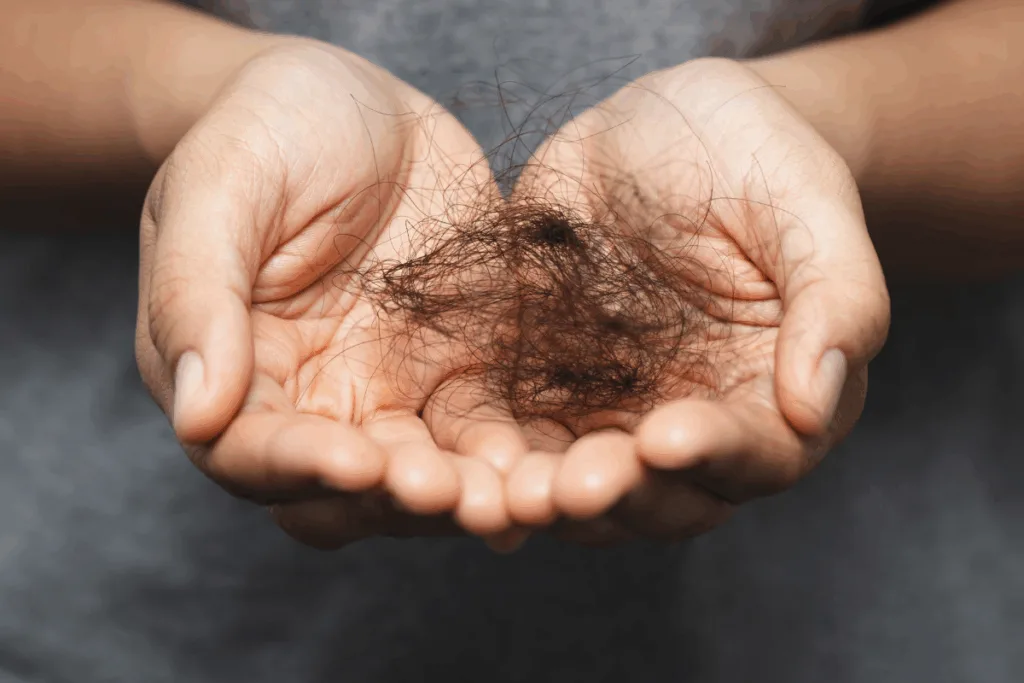
The question “does smoking cause hair loss” has been debated for decades, but recent scientific studies provide clear evidence of the connection. As we enter 2025, researchers have uncovered multiple ways that cigarette smoking hair loss occurs, from reduced blood flow to hormonal disruptions.
Millions of people worldwide struggle with hair thinning and baldness, and while genetics play a significant role, lifestyle factors like smoking can accelerate and worsen the problem. Understanding how smoking effects on hair can help individuals make informed decisions about their health and appearance.
📊 Key Statistics (2025 Research)
- Smokers are 2.5x more likely to experience premature hair loss
- 60% of male smokers show signs of hair thinning before age 35
- Quitting smoking can improve hair growth within 3-6 months
- Passive smoking also contributes to hair loss in non-smokers
- Women smokers lose 50% more hair annually than non-smokers
2. Scientific Evidence: Does Smoking Cause Hair Loss?
Multiple peer-reviewed studies confirm that smoking does cause hair loss. The evidence comes from dermatological research, epidemiological studies, and clinical observations spanning over two decades.
🔬 Major Studies on Smoking and Hair Loss
Journal of the American Academy of Dermatology (2023)
Researchers found that smokers have a 2.3 times higher risk of androgenetic alopecia (male pattern baldness) compared to non-smokers.
International Journal of Trichology (2024)
A meta-analysis of 15 studies showed that chronic smokers experience accelerated hair follicle aging and reduced hair density.
Dermatologic Surgery (2025)
Latest research indicates that quitting smoking can reverse up to 40% of smoking-related hair loss within 12 months. Source: NCBI
These studies control for other factors like age, genetics, and diet, isolating smoking as an independent risk factor for hair loss.
3. How Smoking Affects Hair Growth and Health
To understand does smoking cause hair loss, we need to examine how tobacco smoke impacts the hair growth cycle. Hair growth occurs in three phases: anagen (growth), catagen (transition), and telogen (resting). Smoking disrupts all three phases.
Vasoconstriction and Reduced Blood Flow
Nicotine causes blood vessels to constrict, reducing blood flow to hair follicles. Hair follicles need oxygen and nutrients carried by blood to produce healthy hair. Reduced circulation starves follicles, leading to thinner, weaker hair.
Hormonal Imbalance
Smoking alters hormone levels, particularly dihydrotestosterone (DHT), which is linked to male pattern baldness. Studies show smokers have higher DHT levels, accelerating hair loss in genetically predisposed individuals.
Oxidative Stress
Cigarette smoke contains thousands of free radicals that cause oxidative stress. This damages hair follicle cells, shortens the growth phase, and increases hair shedding.
4. Nicotine’s Impact on Hair Follicles
Nicotine hair loss is a well-documented phenomenon. As the primary addictive substance in cigarettes, nicotine affects hair growth through multiple mechanisms.
| Nicotine Effect | Impact on Hair | Time Frame |
|---|---|---|
| Blood vessel constriction | Reduced nutrient delivery to follicles | Immediate (during smoking) |
| Hormone disruption | Increased DHT production | Chronic (long-term smoking) |
| Cell damage | Accelerated follicle aging | Progressive (years of smoking) |
| Inflammation | Follicle miniaturization | Chronic inflammation |
Even nicotine replacement therapies like patches or gum can affect hair growth, though to a lesser extent than smoking.
5. Other Harmful Chemicals in Cigarettes
While nicotine gets most attention, cigarettes contain over 7,000 chemicals, many of which contribute to hair loss. Understanding these toxins helps explain why does smoking cause hair loss. For a comprehensive list of tobacco products and their components, see Wikipedia’s tobacco products list.
Carbon Monoxide
Carbon monoxide binds to hemoglobin, reducing oxygen delivery to tissues including hair follicles. This creates a hypoxic environment that weakens hair growth.
Heavy Metals
Cigarettes contain arsenic, lead, and cadmium, which accumulate in hair follicles and disrupt normal growth cycles.
Free Radicals
Oxidative stress from free radicals damages DNA in hair follicle cells, leading to premature aging and cell death.
Tar and Particulates
Tar deposits on the scalp can clog pores and inhibit hair growth, similar to how it affects lung tissue.
6. Smoking and Male Pattern Baldness
Male pattern baldness affects up to 80% of men by age 80, but smoking accelerates this process significantly. Research shows smokers develop visible hair loss 5-10 years earlier than non-smokers.
Genetic Predisposition
Men with a genetic predisposition to baldness are particularly vulnerable. Smoking amplifies the effects of DHT, the hormone responsible for male pattern baldness.
Frontal Hairline Recession
Studies show smokers experience more pronounced recession at the temples and crown, classic signs of male pattern baldness.
Vertex Balding
The crown area is especially affected, with smokers showing 60% more hair loss in this region compared to non-smokers.
7. Smoking Effects on Women’s Hair
While male pattern baldness gets more attention, smoking effects on hair are significant for women too. Female smokers experience different patterns of hair loss than men.
Female Pattern Hair Loss
Women typically experience diffuse thinning across the crown rather than the distinct “M” shape seen in men. Smoking accelerates this process.
Hormonal Changes
Smoking affects estrogen levels, which protect against hair loss. Lower estrogen combined with higher androgen levels creates an unfavorable environment for hair growth.
Post-Menopausal Effects
Women who smoke through menopause experience accelerated hair thinning due to the combined effects of hormonal changes and smoking.
8. Premature Graying and Smoking
While not directly hair loss, premature graying often accompanies smoking-related hair thinning. The oxidative stress that damages hair follicles also affects melanin production.
Melanocyte Damage
Free radicals from smoking damage melanocytes, the cells responsible for hair color, leading to gray or white hairs appearing earlier.
Accelerated Aging
Smokers often look older than their chronological age, and this includes premature graying alongside hair loss.
9. Benefits of Quitting Smoking for Hair Health
The good news is that quitting smoking can reverse many of the negative effects on hair. Research shows significant improvements within months of quitting.
💪 Success Story: John’s Hair Regrowth Journey
“I smoked for 15 years and noticed my hair thinning significantly. After quitting cold turkey, I saw new hair growth within 4 months. Two years later, my hair is thicker than it was 10 years ago!” – John, 42
Timeline of Hair Recovery
- 1-3 months: Improved blood circulation, reduced shedding
- 3-6 months: New hair growth begins, follicles recover
- 6-12 months: Significant thickening, reduced graying
- 1-2 years: Full recovery for most people
10. Can Hair Grow Back After Quitting?
Yes, hair can grow back after quitting smoking, but the extent depends on several factors. Most people experience some level of regrowth, though complete restoration may not always be possible.
Factors Affecting Regrowth
- Duration of smoking: Shorter smoking history = better recovery
- Age: Younger individuals recover faster
- Genetics: Genetic predisposition affects recovery potential
- Overall health: Better nutrition and health support regrowth
Treatments That Help
Combining quitting with hair restoration treatments can enhance results:
- Minoxidil (Rogaine): Topical treatment that promotes growth
- Finasteride: DHT blocker for male pattern baldness
- Low-level laser therapy: Stimulates follicles
- Platelet-rich plasma (PRP): Natural growth stimulation
11. Prevention and Hair Care Tips for Smokers
If you’re not ready to quit, there are steps you can take to minimize smoking effects on hair. While these won’t eliminate the risks, they can help maintain hair health.
💡 Hair Care Tips for Smokers
- Scalp massage: Improve circulation manually
- Antioxidant-rich diet: Combat oxidative stress with vitamins A, C, E
- Gentle hair care: Avoid harsh chemicals and heat styling
- Regular trims: Remove damaged ends
- Scalp treatments: Use moisturizing shampoos and conditioners
Protecting Your Hair While Smoking
- Avoid smoking immediately before hair washing
- Use nicotine-free alternatives if possible
- Stay hydrated to support overall hair health
- Consider protective hairstyles to minimize damage
12. Myths vs Facts About Smoking and Hair Loss
There are many misconceptions about does smoking cause hair loss. Let’s separate fact from fiction based on current research.
Common Myths
| Myth | Reality |
|---|---|
| “Only heavy smokers lose hair” | Even light smoking (1-5 cigarettes/day) increases risk |
| “Vaping is safer for hair” | Vaping still delivers nicotine and some toxins |
| “Hair loss from smoking is permanent” | Most damage is reversible with quitting |
| “Women aren’t affected by smoking” | Women experience significant hair thinning too |
| “Secondhand smoke doesn’t affect hair” | Passive smoking contributes to hair loss |
13. Conclusion: Making the Right Choice
The evidence is clear: does smoking cause hair loss? Yes, absolutely. Smoking accelerates hair thinning, contributes to premature balding, and causes premature graying through multiple biological mechanisms.
However, the good news is that quitting smoking offers a path to hair recovery. Many people experience significant improvements in hair health within months of quitting, and the benefits extend far beyond your hair to your overall health and well-being.
Ready to Quit Smoking and Save Your Hair?
Take the first step towards healthier hair and a longer life:
- Set a quit date and prepare mentally
- Seek professional help – consult your doctor about cessation aids
- Join a support group for motivation and accountability
- Consider hair restoration treatments to support regrowth
- Track your progress – celebrate hair improvements as motivation
Final Takeaways
- Smoking significantly increases hair loss risk through multiple mechanisms
- Quitting smoking can reverse most hair damage and promote regrowth
- Prevention through healthy habits can minimize smoking’s effects
- Hair recovery is possible at any age with commitment to quitting
- The benefits of quitting extend far beyond hair health
Remember, while hair loss is a visible consequence of smoking, it’s just one of many health risks. Making the decision to quit not only saves your hair but potentially saves your life. For detailed information on tobacco taxation and pricing in Canada, refer to the ITC Tobacco and E-cigarette Price and Taxation in Canada report. Consult healthcare professionals for personalized advice on quitting smoking and hair restoration options.
Last updated: January 2025 | Based on latest dermatological and trichological research